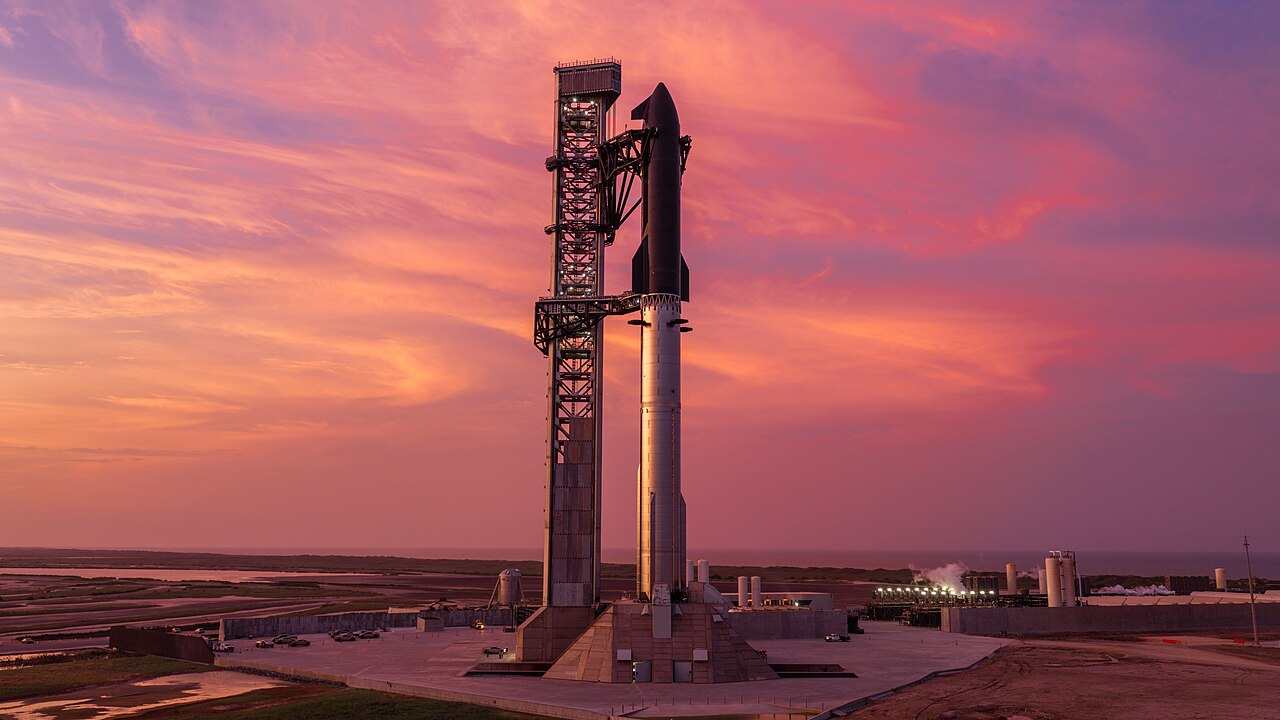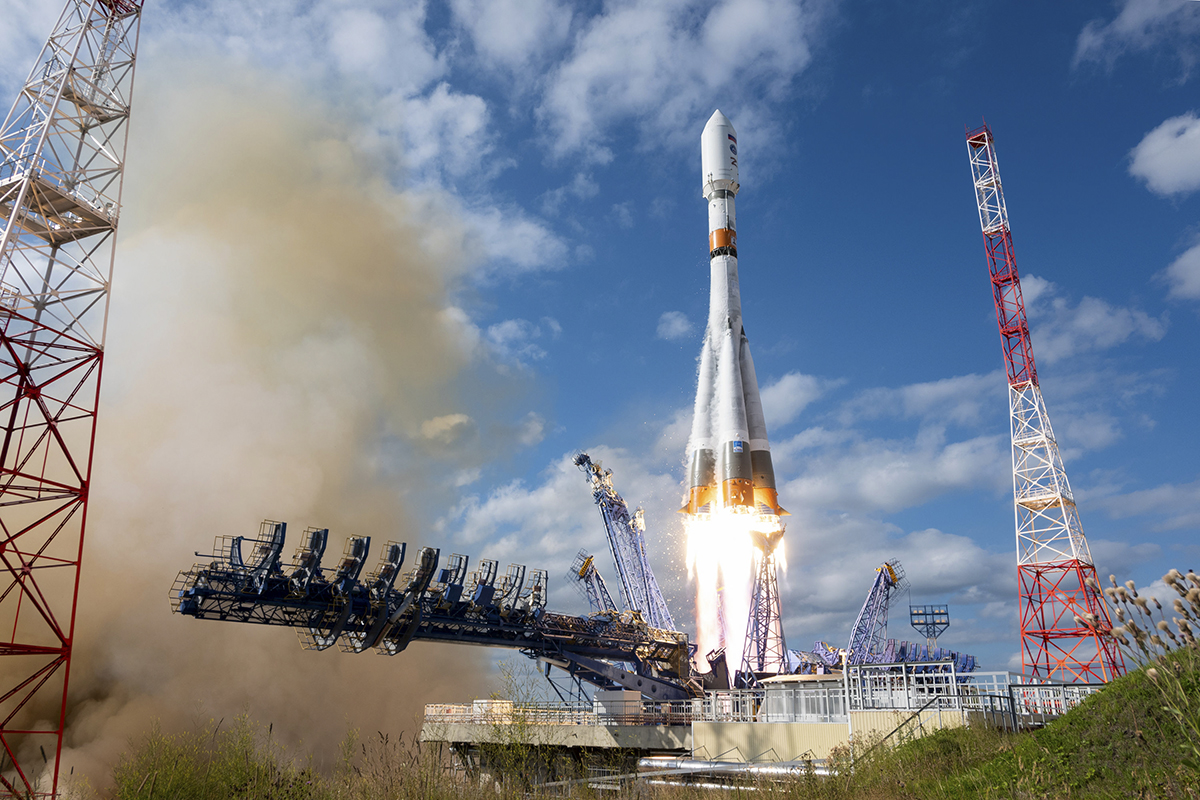
The Soyuz rocket launch delay has led to the postponement of the Progress MS-35 mission to the ISS. This development raises questions about future space missions and logistics.
Reasons for the Soyuz rocket launch delay
The recent postponement of the Progress MS-35 launch to the International Space Station (ISS) has raised questions regarding the reasons behind the Soyuz rocket launch delay. Several factors contribute to this setback, affecting both scientific missions and supply deliveries to the ISS.
Key reasons for the delay include:
- Technical Issues: Engineers identified complications during pre-launch checks, necessitating additional time for troubleshooting.
- Safety Protocols: Ensuring the safety of astronauts and cargo remains a top priority, leading to a thorough review of all systems.
- Weather Conditions: Adverse weather patterns in the launch area can also impact scheduling, as launches require optimal conditions.
- Supply Chain Disruptions: Delays in the arrival of critical components needed for the rocket can hinder the launch timeline.
As a result of these factors, the Soyuz rocket launch delay not only affects immediate missions but may also have cascading effects on future space operations.
Impact on ISS operations
The recent Soyuz rocket launch delay has significant implications for the International Space Station (ISS) operations. With the postponement of the Progress MS-35 mission, scheduled to deliver vital supplies and equipment, the ISS crew may face shortages of essential resources.
Key impacts include:
- Supply Chain Disruption: The delay may affect the regular resupply schedule, potentially leading to a shortfall in food, water, and scientific materials.
- Crew Morale: Astronauts depend on timely deliveries for both sustenance and mission activities. Prolonged wait times could influence their focus and well-being.
- Scientific Research: Ongoing experiments that require specific materials may be put on hold, impacting the overall research timeline and data collection.
- Collaborative Projects: International partners involved in ISS operations may need to reorganize schedules and logistics, potentially affecting collaborative efforts.
The space community is closely monitoring the situation, emphasizing the importance of resolving the issues causing the launch delay.
Future of space missions
The recent Soyuz rocket launch delay has prompted discussions about the future of space missions, particularly those involving the International Space Station (ISS) and beyond. As agencies like Roscosmos and NASA assess the situation, it becomes crucial to understand how these delays might reshape upcoming missions.
One significant aspect is the potential postponement of cargo and crew transport to the ISS. This can affect not only scientific experiments but also the overall stability of the crew aboard the station. Additionally, the delay may impact the timeline for various satellite deployments that rely on the Soyuz launch schedule.
Furthermore, partnerships between international space agencies may be tested as they adapt to new timelines. The following points highlight key considerations for future missions:
- Shift in launch schedules: Agencies may need to adjust their calendars for future missions.
- Increased reliance on alternative launch vehicles: Other rockets may need to step in to fill the gap.
- Potential for enhanced collaboration: Countries might work more closely to compensate for delays.
Technical challenges faced
The recent Soyuz rocket launch delay has been attributed to a series of technical challenges that have arisen during the preparation phase. These issues have raised concerns about the reliability of the Soyuz-2.1b rocket, leading to its removal from the launch pad ahead of schedule.
Key technical challenges include:
- Engine malfunctions: Engineers detected irregularities in the rocket’s propulsion system, prompting a thorough inspection.
- Software updates: The need for critical software updates was identified, ensuring that the rocket’s systems function seamlessly during launch.
- Structural integrity checks: Routine checks revealed potential vulnerabilities in the rocket’s structure that needed addressing before proceeding with the launch.
These challenges highlight the complexity and risks associated with space missions. While delays can be frustrating, they are crucial for ensuring the safety and success of future missions, particularly those involving the International Space Station (ISS).
Next steps for the Soyuz program
As the Soyuz rocket launch delay continues to unfold, the next steps for the Soyuz program remain critical to its future. The Russian space agency, Roscosmos, has stated that its immediate focus will be on assessing the issues that led to the postponement of the Soyuz-2.1b rocket launch. This assessment will include a thorough investigation of all systems involved in the launch process.
In the coming weeks, Roscosmos plans to implement the following actions:
- Technical Review: A detailed examination of the rocket’s systems to identify any potential flaws.
- Collaboration with International Partners: Engaging with organizations like NASA to align on future missions and ensure continuity in ISS operations.
- Rescheduling the Launch: Developing a new timeline for the Progress MS-35 mission to the ISS, aiming for minimal disruption to the crew supply schedule.
- Enhanced Testing: Conducting additional tests to ensure the reliability of future launches.
The Soyuz rocket launch delay has raised concerns among international space partners about potential setbacks in collaborative missions. As agencies assess the implications of this Soyuz rocket launch delay, the future timeline for upcoming projects remains uncertain.
via Wikimedia Commons
Read the original
Slavia facelift photos: The Best Images Revealed · Pork Products Recall: Safe Steps to Protect Your Family · WB JELET 2026 Allotment Result: Quick Download Guide