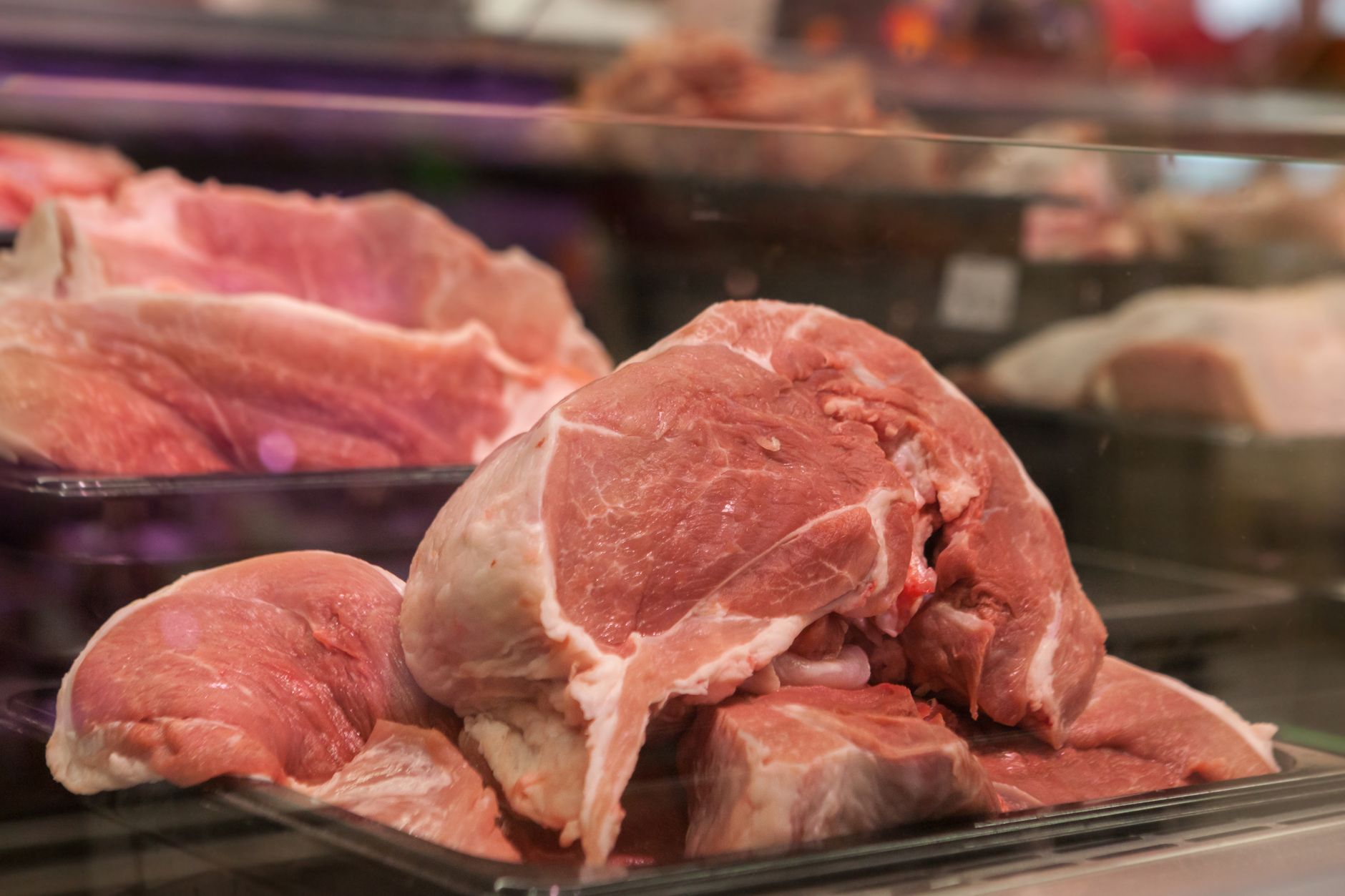
Pork products recall has been issued due to possible listeria contamination, affecting 1,500 pounds of meat. Consumers should take immediate action to ensure safety.
What You Need to Know About the Pork Products Recall
A recent pork products recall has been issued affecting approximately 1,500 pounds of various items due to potential contamination with listeria. This serious health concern has prompted officials to alert consumers about the importance of food safety and awareness.
Listeria infection can lead to severe illness, particularly in vulnerable populations such as pregnant women, newborns, the elderly, and individuals with weakened immune systems. Symptoms may include fever, muscle aches, nausea, and diarrhea, and can escalate to more serious complications if not addressed promptly.
Consumers are advised to check their freezers and refrigerators for the following recalled products:
- Ready-to-eat pork sausages
- Pre-packaged pork chops
- Smoked pork products
- Ground pork
If you have any of these items, it is crucial to dispose of them safely and thoroughly clean any surfaces they may have come into contact with. Additionally, always cook pork products to the appropriate internal temperature to reduce the risk of foodborne illnesses.
Stay informed and vigilant; food recalls can happen unexpectedly, and being proactive is essential to protecting your family’s health.
How Listeria Contamination Occurs
Listeria contamination can occur in various ways, posing significant health risks, especially through contaminated pork products. Understanding how this contamination happens is essential for protecting your family.
There are several pathways through which Listeria can enter the food supply:
- Improper Handling: Listeria can thrive in environments that have not been adequately cleaned. If pork products are handled with unwashed hands or on contaminated surfaces, the bacteria can easily transfer.
- Cross-Contamination: Mixing raw pork products with other foods can lead to cross-contamination. For instance, using the same cutting board or utensils without proper washing can spread Listeria.
- Temperature Abuse: Listeria can grow in refrigeration temperatures, making it essential to store pork products at the correct temperatures. Leaving pork products unrefrigerated for extended periods increases the risk of contamination.
- Inadequate Cooking: Listeria can survive if pork products are not cooked to the safe internal temperature of 145°F. Ensuring proper cooking is critical for killing harmful bacteria.
To minimize the risk of exposure, it is crucial to stay informed about any pork products recall announcements, follow safe food handling practices, and cook meats thoroughly.
Steps to Take If You Have These Products
If you have recently purchased pork products that are part of the recall, it is crucial to take immediate action to ensure the safety of your family. Here are some steps you should follow:
- Check Your Freezer and Refrigerator: Look for any pork products that match the recall details. This may include specific brands or types of pork, which can usually be found on the packaging.
- Do Not Consume: If you identify any recalled products, do not eat them. Consuming contaminated pork products could pose serious health risks, particularly from listeria.
- Return or Dispose: Return the affected products to the store where they were purchased for a full refund, or safely dispose of them to prevent accidental consumption.
- Stay Informed: Keep an eye on updates from the Food and Drug Administration (FDA) or the United States Department of Agriculture (USDA) for any additional information regarding the pork products recall.
- Monitor for Symptoms: Be vigilant for any symptoms of listeria infection, such as fever, muscle aches, or gastrointestinal issues. If you experience any symptoms, seek medical attention promptly.
Taking these steps will help protect your family from potential health hazards associated with the recent pork products recall.
Understanding Food Safety Regulations
Understanding food safety regulations is crucial in the wake of the recent pork products recall. These regulations are designed to protect consumers from foodborne illnesses and ensure that the food on our tables is safe to eat. The United States Department of Agriculture (USDA) and the Food and Drug Administration (FDA) play pivotal roles in overseeing food safety, providing guidelines that manufacturers must follow.
When a potential hazard, such as listeria contamination, is identified, swift action is taken to safeguard public health. In the case of the pork products recall, the USDA issued a notice regarding approximately 1,500 pounds of affected products. It’s important for consumers to remain vigilant and informed about these recalls, as they can happen at any time.
Regulations require companies to conduct regular inspections and testing to detect possible contaminants. If a product is found to be unsafe, companies must notify the USDA and initiate a recall to remove the product from shelves. This process helps mitigate risks associated with foodborne pathogens.
As consumers, we also have a role in maintaining food safety. Always check for recall notices and stay updated on the latest information regarding food safety regulations. Being aware of potential risks linked to pork products recall can help protect your family from harmful bacteria and ensure a safe dining experience.
Photo by Julia Filirovska on Pexels