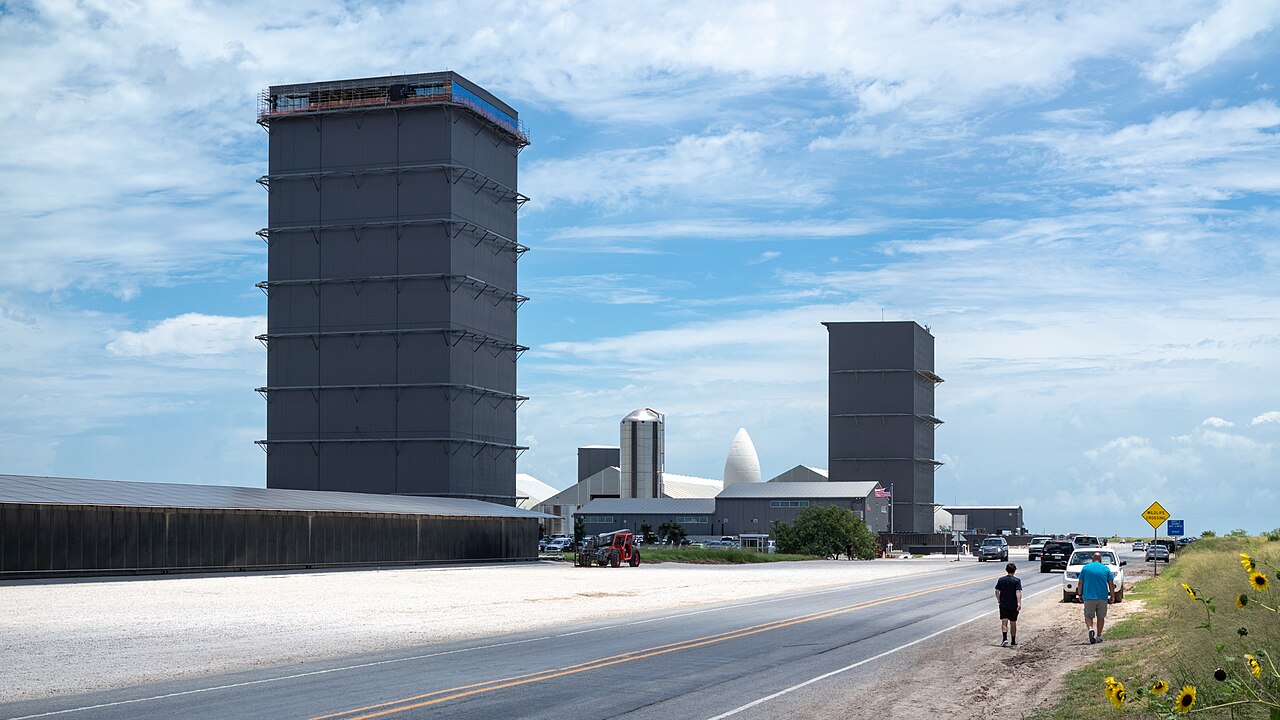
SpaceX data centers have received government approval to launch, marking a significant step forward in space technology and data management.
Overview of SpaceX’s New Initiative
SpaceX has recently received government approval to launch its innovative initiative focused on developing SpaceX data centers. This groundbreaking project aims to create a network of high-tech data processing facilities strategically located to enhance the company’s operational capabilities.
The new data centers are designed to support SpaceX’s expanding needs in satellite communications, space exploration, and research. By utilizing advanced technology, these centers will facilitate the processing and analysis of vast amounts of data generated from SpaceX’s missions and satellites.
Key features of the initiative include:
- Scalability: The data centers will be capable of scaling up operations to meet increasing demand as SpaceX continues to innovate.
- Efficiency: Designed with energy efficiency in mind, the centers will utilize renewable energy sources to minimize their environmental impact.
- Security: Enhanced security measures will protect sensitive data and ensure compliance with government regulations.
- Collaboration: The facilities will foster collaboration between SpaceX and other research institutions, propelling advancements in aerospace technology.
This approval marks a significant milestone for SpaceX, emphasizing its commitment to harnessing cutting-edge technology for both commercial and scientific endeavors.
Importance of Government Approval
The recent government approval marks a significant milestone for SpaceX, particularly as it pertains to the establishment of SpaceX data centers. This approval not only validates the company’s ambitious plans but also highlights the importance of regulatory compliance in the rapidly evolving space industry.
Government approval serves multiple crucial purposes:
- Regulatory Compliance: It ensures that SpaceX adheres to necessary guidelines, promoting safety and sustainability in their operations.
- Public Trust: Gaining approval from government entities fosters confidence among stakeholders and the general public regarding SpaceX’s commitment to responsible innovation.
- Investment Opportunities: With official backing, SpaceX is more likely to attract investors who seek reliability and security in their ventures.
- Collaboration Potential: Government approval opens doors for collaborations with federal agencies, which can enhance research and development efforts.
Moreover, as the demand for data processing and storage in the space sector continues to grow, the establishment of SpaceX data centers will play a pivotal role in supporting both governmental and commercial operations. This strategic initiative positions SpaceX at the forefront of the space technology revolution, paving the way for future advancements.
How Space Data Centers Work
Space data centers play a crucial role in the operation of SpaceX’s satellite network. These facilities are designed to process and analyze vast amounts of data collected from various space missions and satellite operations. The efficiency of these data centers is essential for ensuring that the information transmitted from space is processed in real-time and made available for various applications.
At the core of how space data centers work is a combination of advanced computing technology and robust communication systems. The centers utilize high-performance servers and cutting-edge software algorithms to handle the enormous data streams generated by satellites. This allows for:
- Data Storage: Large volumes of data can be stored securely and accessed quickly.
- Data Processing: Real-time analysis of satellite data enhances decision-making capabilities.
- Data Distribution: Processed data is distributed to various stakeholders, including government agencies and commercial partners.
Moreover, the integration of artificial intelligence and machine learning in space data centers enables predictive analytics, which can significantly improve operational efficiency and provide insights that were previously unattainable. With the recent government approval, SpaceX data centers are poised to revolutionize the way data from space is utilized across multiple sectors.
Potential Benefits for Businesses
The recent approval for SpaceX data centers is set to unlock a multitude of potential benefits for businesses across various sectors. With advanced data processing capabilities, companies can expect enhanced operational efficiency and innovative solutions tailored to their needs.
One of the primary advantages of utilizing SpaceX data centers is:
- Improved Data Processing: The high-speed data transmission capabilities offered by SpaceX’s infrastructure will enable businesses to process large volumes of data swiftly.
- Cost Efficiency: By leveraging cutting-edge technology, companies may significantly reduce their operational costs related to data storage and management.
- Scalability: Businesses can easily scale their data requirements up or down, ensuring they have the resources needed without overcommitting financially.
- Enhanced Security: SpaceX data centers will implement state-of-the-art security measures to protect sensitive information, giving businesses peace of mind.
- Access to Real-Time Data: Companies will benefit from having access to real-time data analytics, allowing them to make informed decisions rapidly.
As SpaceX continues to innovate in the field of data management, businesses that harness these capabilities may find themselves at a competitive advantage in the growing digital landscape.
Challenges Ahead for SpaceX
While the recent government approval marks a significant milestone for SpaceX data centers, challenges lie ahead that could impact the project’s success. One of the primary obstacles is the integration of advanced technology with existing infrastructure. SpaceX must ensure that its data centers can seamlessly communicate with current systems used by businesses and government agencies.
Another challenge involves the regulatory landscape. Although the initial approval has been granted, ongoing compliance with federal, state, and local regulations will be crucial. SpaceX will need to navigate a complex web of legal requirements related to data security, environmental impact, and operational protocols.
Additionally, the company may face competition from established players in the data center industry. These competitors have years of experience and established client relationships, presenting a hurdle for SpaceX as it seeks to carve out its niche in the market.
Furthermore, the rapid pace of technological advancement means that SpaceX must stay ahead of evolving industry standards. The ability to innovate while maintaining cost efficiency will be vital for the sustainability of SpaceX data centers.
As the company embarks on this ambitious project, addressing these challenges will be essential for ensuring the long-term success of its data center initiative.
Future of Space-Based Data Solutions
The approval granted to SpaceX for its innovative space data centers marks a significant milestone in the evolution of data management. As the demand for real-time data processing and analysis continues to rise, SpaceX’s initiative aims to leverage satellite technology to meet these needs efficiently.
Experts believe that the future of data solutions lies in the integration of terrestrial and space-based systems. By utilizing space-based data centers, businesses can expect:
- Enhanced Data Processing: The ability to process vast amounts of data quickly and effectively, reducing latency and increasing operational efficiency.
- Global Reach: Access to data services anywhere on the planet, regardless of terrestrial infrastructure limitations.
- Scalability: The capacity to scale operations up or down based on demand, providing flexibility for businesses of all sizes.
- Innovative Solutions: Opportunities for new applications and services that take advantage of data from space, such as improved weather forecasting and global monitoring systems.
As SpaceX data centers become operational, the implications for various sectors—including agriculture, telecommunications, and disaster management—are bound to be transformative. The successful implementation of these centers could define the next era of data utilization in ways we have yet to imagine.
via Wikimedia Commons