Delhi EV policy incentives have seen remarkable interest, with over 5,500 applications submitted. This surge highlights the growing demand for electric vehicles in the capital.
Overview of Delhi’s EV Policy
The Delhi government has recently reported a significant response to its electric vehicle (EV) policy incentives, with over 5,500 applications received within a short period. This surge indicates a growing acceptance and interest in electric vehicles among residents, aligning with the city’s commitment to reducing pollution and promoting sustainability.
Under the new EV policy, the government offers various incentives aimed at encouraging the adoption of electric vehicles. These incentives include:
- Financial subsidies: Substantial discounts on the purchase price of electric two-wheelers, three-wheelers, and cars are provided to buyers.
- Road tax exemptions: Owners of electric vehicles can benefit from exemptions on road taxes, further lowering the overall cost of ownership.
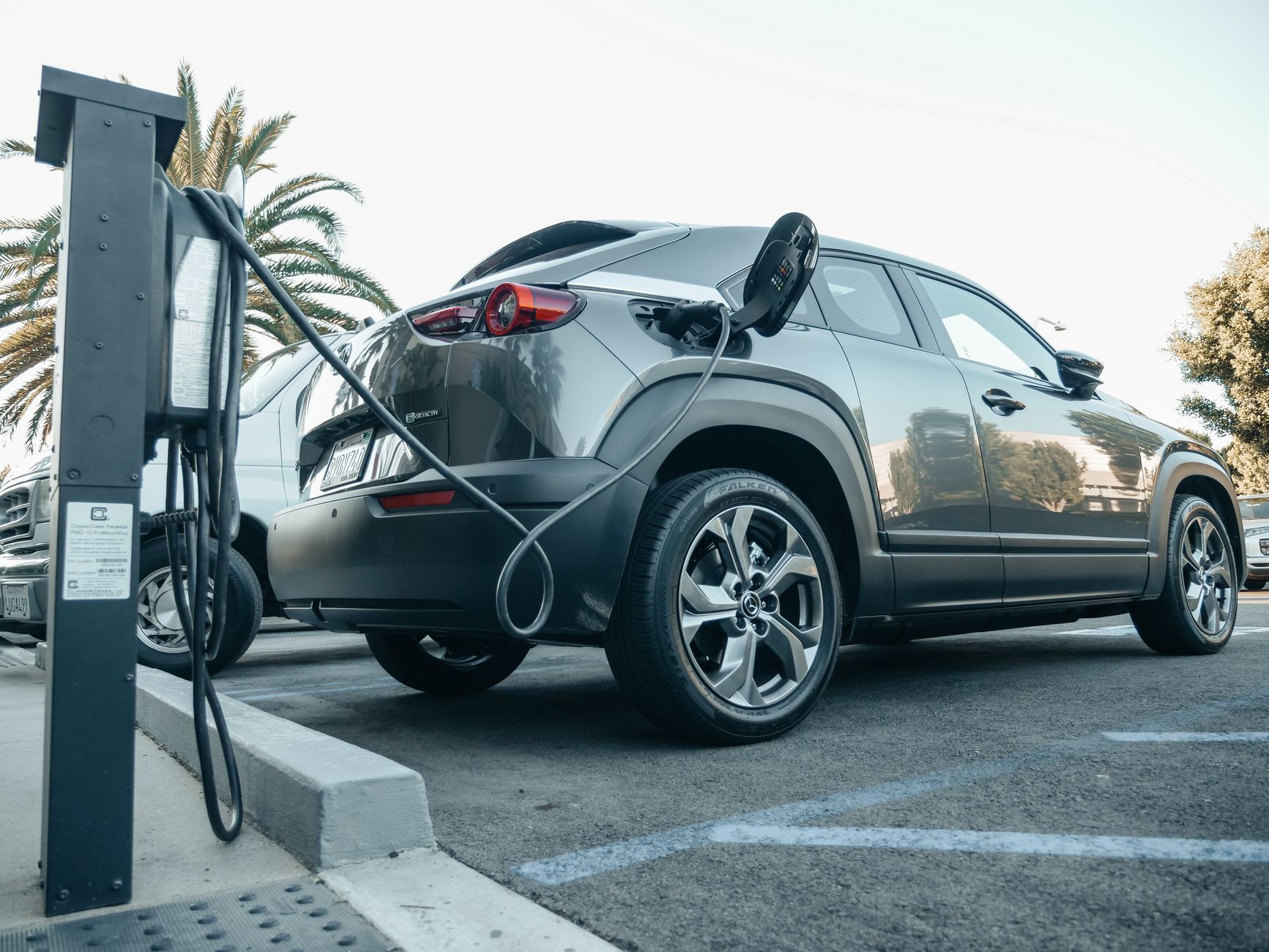
- Charging infrastructure support: The policy also includes initiatives to enhance the availability of charging stations, making it more convenient for EV users.
- Scrappage incentives: Incentives are available for those who dispose of older, polluting vehicles in exchange for electric options.
This comprehensive approach is designed not only to increase the number of electric vehicles on the roads but also to foster an environmentally friendly culture in Delhi. The early response to these Delhi EV policy incentives demonstrates the potential for a transformative shift in the city’s transportation landscape.
Impact of Incentives on EV Adoption
The recent surge in electric vehicle (EV) applications in Delhi can be largely attributed to the various incentives outlined in the Delhi EV policy. With over 5,500 applications received, the impact of these incentives on EV adoption is becoming increasingly evident.
Key factors contributing to this boost include:
- Financial Subsidies: The government is offering substantial financial incentives to consumers who purchase electric vehicles, making them more affordable.
- Reduced Registration Fees: The waiver of registration fees for electric vehicles has encouraged more residents to consider transitioning from traditional vehicles.
- Charging Infrastructure Development: Investments in expanding charging stations across the city have alleviated range anxiety, making EVs a more viable option for daily commuting.
- Awareness Campaigns: The government has implemented campaigns to educate the public about the environmental and economic benefits of electric vehicles.
As a result, the uptake of electric vehicles in Delhi is not only helping to reduce air pollution but also contributing to the overall goal of sustainable urban mobility. The Delhi EV policy incentives have proven effective in driving this change, reflecting a significant shift in consumer attitudes towards electric mobility.
Moving forward, continued support and expansion of these initiatives will be essential for maintaining momentum in EV adoption across the capital.
How to Apply for EV Incentives
Applying for incentives under the Delhi EV policy incentives is a straightforward process designed to encourage more residents to adopt electric vehicles. Here’s how potential applicants can navigate the application process:
- Eligibility Check: Before applying, individuals should ensure their vehicle meets the eligibility criteria set by the Delhi government. This includes checking if the vehicle is registered in the National Capital Territory and whether it falls under the specified categories of electric vehicles.
- Gather Required Documents: Applicants need to prepare necessary documentation, which typically includes proof of identity, vehicle registration details, and any other documents specified by the Delhi government.
- Online Application: The application process is primarily conducted online through the official Delhi government portal. Applicants must fill out the application form and upload the required documents.
- Verification Process: After submission, the authorities will verify the application and documents. This step is crucial to ensure compliance with the Delhi EV policy incentives.
- Receive Incentive: Once approved, applicants will receive the incentive directly, either as a rebate or in another specified form, making it easier to switch to an electric vehicle.
By following these steps, residents can take advantage of the incentives available under the Delhi EV policy, contributing to a greener environment.
Benefits of Electric Vehicles
The benefits of electric vehicles (EVs) extend beyond environmental sustainability; they also offer significant financial and operational advantages for users. The recent surge in interest, as evidenced by the Delhi EV policy incentives leading to over 5,500 applications, highlights the growing recognition of these benefits.
- Cost Savings: EVs typically have lower operational costs compared to conventional vehicles. With fewer moving parts, they require less maintenance and have lower fuel costs due to electricity being cheaper than petrol or diesel.
- Government Incentives: The Delhi EV policy incentives have made owning an electric vehicle more attractive. These incentives can include rebates, tax exemptions, and subsidies that significantly reduce the purchase price of EVs.
- Environmental Impact: By adopting electric vehicles, users contribute to reducing air pollution and greenhouse gas emissions, aligning with Delhi’s commitment to a cleaner environment.
- Future-Proofing: As traditional fuel sources become less viable, transitioning to electric vehicles positions users ahead of the curve, ensuring compliance with upcoming regulations and standards.
Overall, the adoption of electric vehicles under the Delhi EV policy not only supports individual financial interests but also contributes to a broader societal goal of sustainable living.
Challenges Facing EV Implementation
Despite the positive response to the Delhi EV policy incentives, several challenges remain that could hinder the full implementation of electric vehicles in the capital. One of the primary obstacles is the lack of adequate charging infrastructure. As the number of EVs on the road increases, the demand for charging stations must keep pace. Currently, many areas in Delhi are still underserved, leading to concerns over range anxiety among potential EV owners.
Another significant challenge is the high initial cost of electric vehicles, which can deter many buyers. Although the Delhi government offers incentives to offset these costs, the upfront price remains a barrier for a large segment of the population. Additionally, limited availability of various EV models can restrict consumer choice, further impeding adoption.
- Consumer Awareness: Many potential buyers lack knowledge about the benefits of EVs and the available incentives.
- Battery Technology: Concerns over battery life and performance can also dissuade buyers from making the switch.
- Policy Stability: Fluctuations in government policy regarding EV incentives may create uncertainty for consumers and manufacturers alike.
Addressing these challenges is crucial for the success of the Delhi EV policy incentives, ensuring that the city can meet its ambitious goals for sustainable transportation.
Future of EV Policies in India
The future of electric vehicle (EV) policies in India looks promising, particularly in light of the recent success of the Delhi EV policy incentives. As cities across the nation grapple with pollution and traffic congestion, the adoption of electric vehicles is becoming increasingly critical. Policymakers are recognizing the need to create supportive frameworks that encourage both manufacturers and consumers to transition to greener alternatives.
With more than 5,500 applications received under the new EV policy in Delhi, it is evident that the incentives are making a significant impact. This surge in applications not only highlights the demand for electric vehicles but also sets a precedent for other states to follow. As various regions begin to implement similar incentives, we can expect a more unified approach towards EV adoption across India.
Furthermore, the success observed in Delhi may prompt the central government to consider nationwide policies aimed at promoting electric mobility. Future EV policies may focus on:
- Enhancing Infrastructure: Expanding charging networks to alleviate range anxiety among potential EV users.
- Providing Financial Support: Offering subsidies and tax breaks for both consumers and manufacturers.
- Encouraging Research and Development: Supporting innovation in battery technology and sustainable manufacturing practices.
Overall, the Delhi EV policy incentives represent a significant step forward, and their success could inspire broader changes across India.
The recent surge in interest highlights the effectiveness of the Delhi EV policy incentives in promoting electric vehicle adoption. Many applicants are eager to take advantage of the Delhi EV policy incentives to reduce their carbon footprint and save on costs.