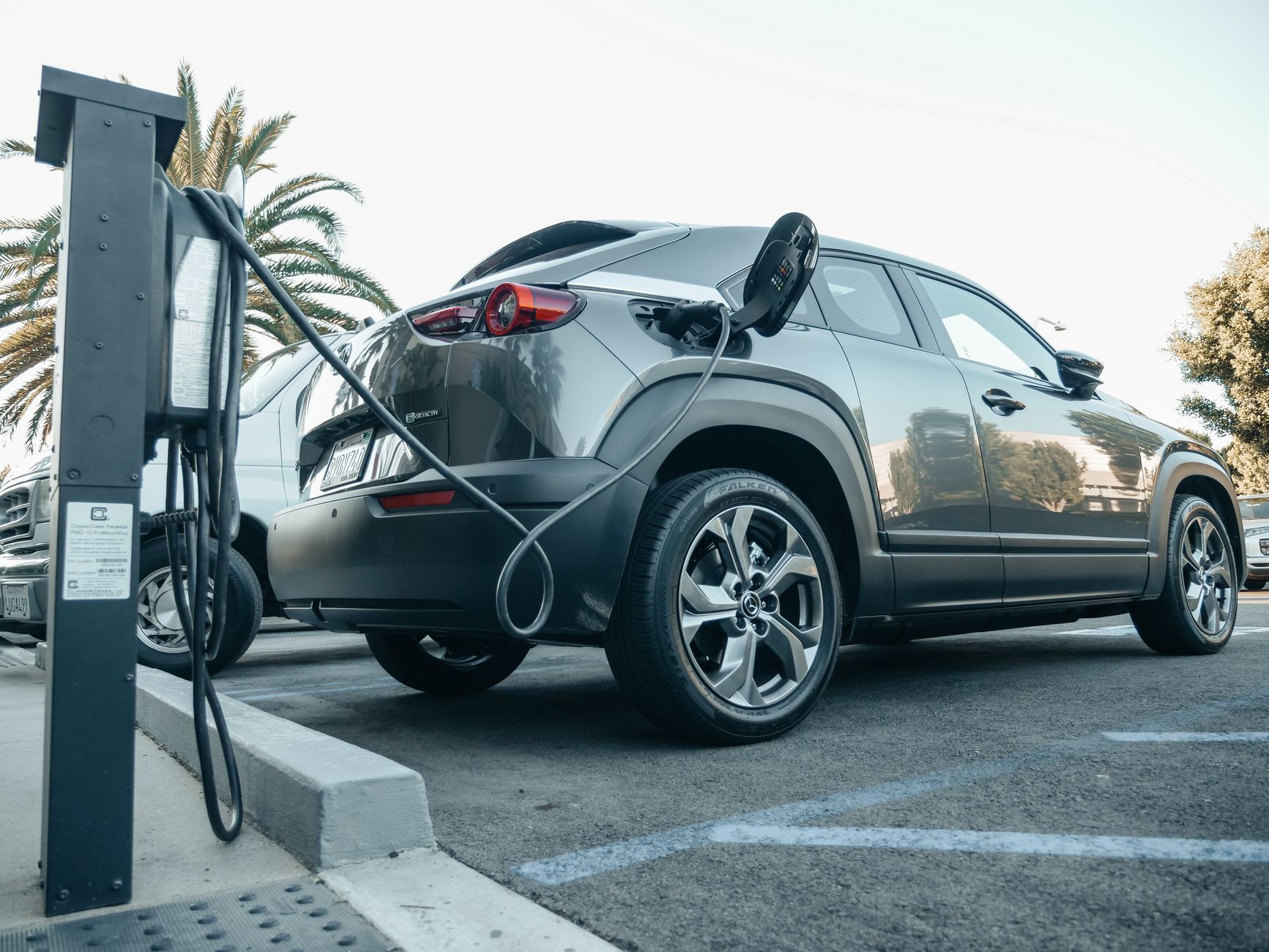
Chandigarh EV cash subsidy has officially ended, marking a significant shift in the region’s support for electric vehicles. This decision has raised concerns among potential EV buyers.
Overview of Chandigarh’s EV Policies
Chandigarh’s recent decision to end the EV cash subsidy has sparked significant debate among environmentalists and electric vehicle (EV) enthusiasts. The policy, aimed at promoting the adoption of green vehicles, provided financial incentives to consumers purchasing electric cars. However, the termination of this subsidy has raised concerns about the future of electric mobility in the region.
Despite the removal of the cash subsidy, the Chandigarh administration has chosen to retain road tax exemptions and registration waivers for EVs. This dual approach has led many to question the effectiveness of the remaining incentives. Critics argue that without the cash subsidy, the barrier to entry for potential EV buyers will increase, potentially hindering the growth of the electric vehicle market in Chandigarh.
The decision has drawn mixed reactions, with some supporting the move as a necessary step towards fiscal responsibility. Others, however, view it as a setback for environmental initiatives, undermining Chandigarh’s commitment to sustainable transportation. The future of the city’s EV landscape remains uncertain as stakeholders await further developments on this critical issue.
Impact of Ending EV Cash Subsidy
The recent decision to end the Chandigarh EV cash subsidy has raised concerns among environmentalists and electric vehicle (EV) enthusiasts alike. Many believe that this move could significantly hinder the growth of green vehicles in the region.
Without the financial incentive provided by the EV cash subsidy, potential buyers may be discouraged from purchasing electric vehicles. This could lead to:
- Decreased Adoption: A reduction in the number of electric vehicles on the roads, undermining the goals of reducing carbon emissions.
- Impact on Local Economy: The local EV market may face downturns, affecting businesses that rely on the sale and maintenance of electric vehicles.
- Increased Air Pollution: A shift back to conventional vehicles might lead to a rise in air pollution levels, counteracting efforts to promote sustainable transportation.
- Loss of Consumer Confidence: Potential buyers may view the elimination of the subsidy as a lack of commitment from the government towards supporting green initiatives.
Overall, the end of the Chandigarh EV cash subsidy is viewed by many as a detrimental decision for the future of sustainable transportation in the region.
Benefits of Road Tax Registration Waivers
The decision to maintain road tax registration waivers in Chandigarh presents several benefits for electric vehicle (EV) owners, even amidst the controversial ending of the Chandigarh EV cash subsidy. These waivers can significantly reduce the overall cost of owning an EV, making it a more attractive option for consumers.
- Financial Relief: The elimination of road tax provides immediate financial relief to new EV buyers, encouraging more individuals to consider electric options.
- Long-term Savings: With lower upfront costs, electric vehicles can offer long-term savings on fuel and maintenance, further incentivizing their adoption.
- Environmental Impact: Maintaining these waivers supports the broader goal of reducing emissions, as more people may choose to switch to greener alternatives in the absence of cash subsidies.
- Market Growth: The continued support through registration waivers could stimulate local EV markets, encouraging manufacturers and dealers to invest in the region.
While the ending of the Chandigarh EV cash subsidy may be seen as a setback, the road tax registration waivers remain a vital component of the city’s strategy to promote electric vehicles.
Reactions from the EV Industry
The recent announcement regarding the Chandigarh EV cash subsidy has sparked significant backlash from the electric vehicle (EV) industry. Industry leaders and stakeholders have expressed their disappointment, arguing that the decision undermines efforts to promote sustainable transportation.
Many manufacturers have highlighted the importance of cash subsidies in making EVs more accessible to the general public. “Without the financial support from the government, consumers may hesitate to make the switch to electric vehicles,” stated a prominent EV manufacturer.
Additionally, several industry representatives have raised concerns about the long-term implications of this decision. A representative from a local EV dealership noted, “Chandigarh was setting an example for other regions. This move could reverse the progress we’ve made in reducing carbon emissions.”
Moreover, some experts argue that retaining the road tax registration waivers is not enough to compensate for the loss of the subsidy. The consensus among stakeholders is clear: removing the Chandigarh EV cash subsidy could lead to a decline in EV adoption, ultimately hindering the city’s environmental goals.
Future of Electric Vehicles in Chandigarh
The future of electric vehicles in Chandigarh appears uncertain following the recent decision to end the EV cash subsidy. This move, described by many as a detrimental step for green vehicles, raises questions about the region’s commitment to sustainable transportation. As cities worldwide push for cleaner alternatives, the withdrawal of financial incentives may hinder the adoption of electric vehicles in Chandigarh.
Without the EV cash subsidy, the initial cost of electric vehicles will remain a significant barrier for many potential buyers. The higher price point compared to traditional vehicles could dissuade individuals from making the switch to greener options. Furthermore, the lack of financial support might slow down the growth of local EV infrastructure, such as charging stations, which is crucial for encouraging widespread use.
Industry experts warn that this decision could lead to stagnation in the electric vehicle market within the city, affecting both consumers and manufacturers. As the world shifts towards sustainable solutions, Chandigarh must reconsider its stance on the EV cash subsidy to ensure a greener future for its residents.
Comparative Analysis with Other States
The decision to end the Chandigarh EV cash subsidy has sparked discussions about its implications compared to the policies adopted by other Indian states. While Chandigarh has chosen to phase out direct financial incentives, states like Delhi and Maharashtra continue to offer substantial subsidies to promote electric vehicle adoption.
In Delhi, the EV cash subsidy can reach up to ₹1.5 lakhs for electric two-wheelers and ₹6 lakhs for electric buses, significantly incentivizing residents to transition to greener alternatives. Similarly, Maharashtra provides a cash rebate of up to ₹1.5 lakhs for electric cars, coupled with additional benefits like reduced registration fees.
These financial incentives have led to a noticeable increase in electric vehicle registrations in these states. In contrast, the elimination of the Chandigarh EV cash subsidy may hinder growth in the sector, raising concerns about the city’s commitment to sustainable transportation.
As residents of Chandigarh weigh their options, the lack of cash subsidies could deter potential buyers, prompting questions about the region’s competitiveness in the evolving EV market.
The Chandigarh EV cash subsidy has faced criticism for being poorly designed and ineffective in promoting the adoption of green vehicles. Many experts argue that the Chandigarh EV cash subsidy could have been better allocated to support infrastructure development instead.