The UP Electronics Component Manufacturing Policy aims to boost local production and innovation in the electronics sector. This policy outlines key features, eligibility criteria, and implementation strategies for 2025.
Key Features of the UP Electronics Policy
The UP Electronics Component Manufacturing Policy aims to bolster the electronics sector in Uttar Pradesh through several key features.
- Financial Incentives: The policy offers attractive financial incentives for manufacturers, including subsidies and tax exemptions.
- Infrastructure Development: It focuses on developing dedicated electronics manufacturing zones to enhance production capabilities.
- Skill Development Programs: The initiative includes programs to upskill the workforce, ensuring that local talent meets industry demands.
- Ease of Doing Business: The policy aims to simplify regulatory processes, making it easier for businesses to set up and operate.
- Collaborations: It encourages partnerships between government bodies and private enterprises to foster innovation.
These features collectively make the UP Electronics Component Manufacturing Policy a significant step towards positioning Uttar Pradesh as a leading electronics hub.
Eligibility Criteria Explained
The eligibility criteria for the UP Electronics Component Manufacturing Policy are designed to attract a diverse range of investors and manufacturers. To qualify, applicants must meet the following requirements:
- Business Registration: Companies must be legally registered under Indian laws.
- Investment Threshold: A minimum investment in capital expenditure is required, ensuring a commitment to local manufacturing.
- Technology Capability: Firms should demonstrate technological expertise in electronics component production.
- Job Creation: Applicants must outline plans for employment generation, contributing to local economic growth.
- Compliance: Adherence to environmental and safety regulations is mandatory.
These criteria are integral to the success of the UP Electronics Component Manufacturing Policy, fostering a competitive manufacturing ecosystem.
Implementation Strategies for 2025
As the UP Electronics Component Manufacturing Policy aims for a significant impact in the electronics sector, its successful implementation in 2025 will depend on several strategic approaches.
- Infrastructure Development: Establishing dedicated electronics manufacturing zones with state-of-the-art facilities will be crucial.
- Skill Development Programs: Fostering a skilled workforce through specialized training initiatives will ensure that local talent meets industry demands.
- Incentives for Innovation: Encouraging research and development through financial incentives will help attract leading firms in the electronics sector.
- Collaboration with Educational Institutions: Partnering with universities to align curricula with industry needs can bridge the skills gap.
These strategies, aligned with the UP Electronics Component Manufacturing Policy, will be essential for the state to position itself as a competitive player in the global electronics market.
Impact on the Auto EV Sector
The UP Electronics Component Manufacturing Policy is set to significantly impact the auto EV sector in Uttar Pradesh. By providing incentives for local manufacturing, the policy aims to attract investments from major automakers and component suppliers.
Key benefits for the EV sector include:
- Cost Reduction: Lower production costs due to local sourcing of components.
- Job Creation: Boost in employment opportunities as new manufacturing units are established.
- Innovation: Encouragement for research and development in EV technologies.
- Infrastructure Development: Improvement in logistics and supply chain capabilities across the state.
As the policy unfolds, it is expected to position Uttar Pradesh as a critical hub in the growing electric vehicle market, aligning with national sustainability goals.
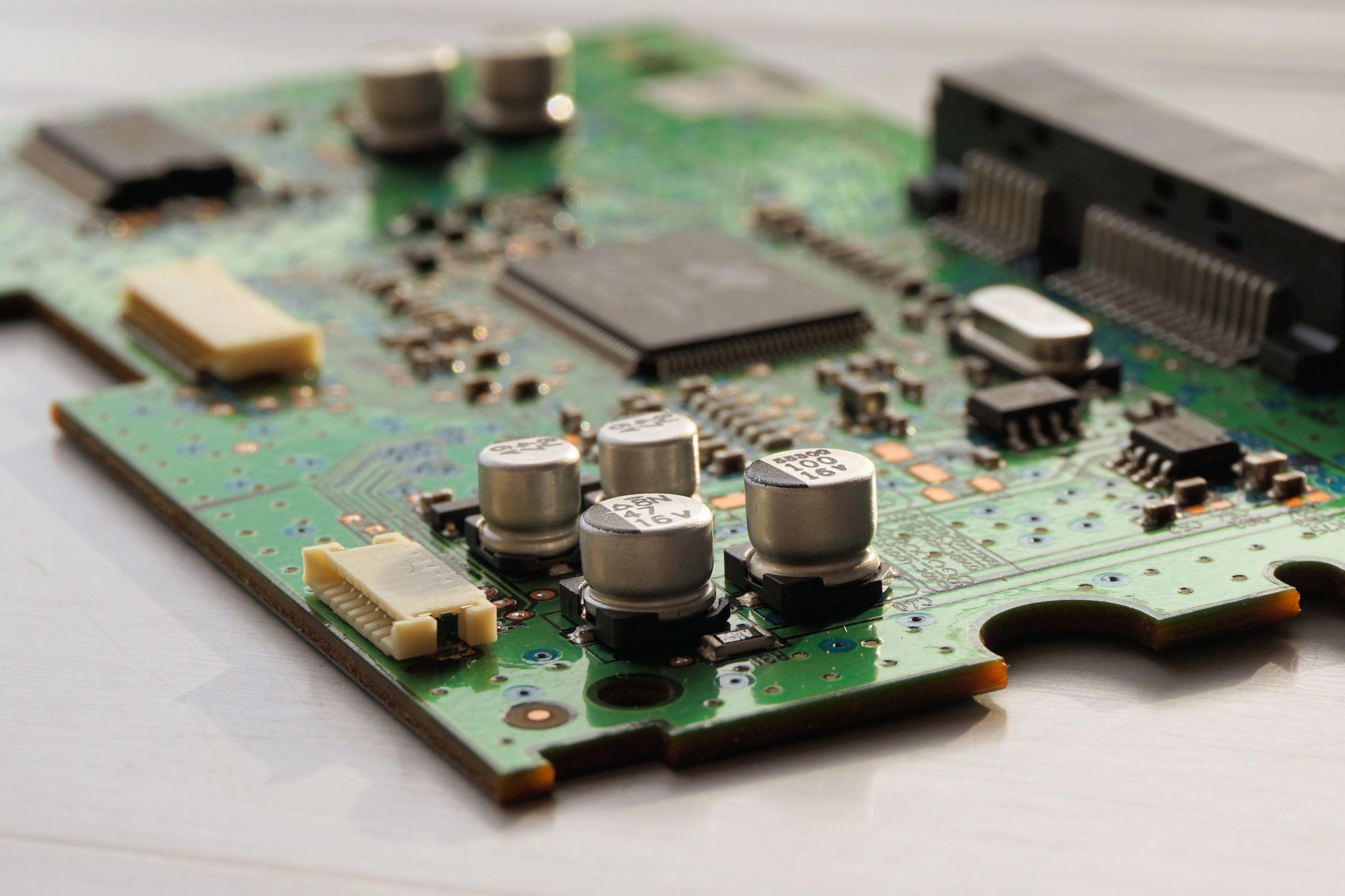
Photo by Pixabay on Pexels