Hyundai hydrogen vehicle sales have reached a remarkable milestone in South Korea, topping 50,000 units. This achievement highlights the growing demand for hydrogen-powered vehicles in the region.
Overview of Hyundai’s Hydrogen Vehicle Sales
Hyundai’s hydrogen vehicle sales have seen significant growth in South Korea, reaching a remarkable milestone of over 50,000 units sold. This achievement highlights the increasing popularity and acceptance of hydrogen fuel cell technology in the automotive market.
Several factors have contributed to this surge in sales:
- Government Subsidies: The South Korean government has introduced various subsidies that incentivize consumers to purchase hydrogen vehicles, making them more financially accessible.
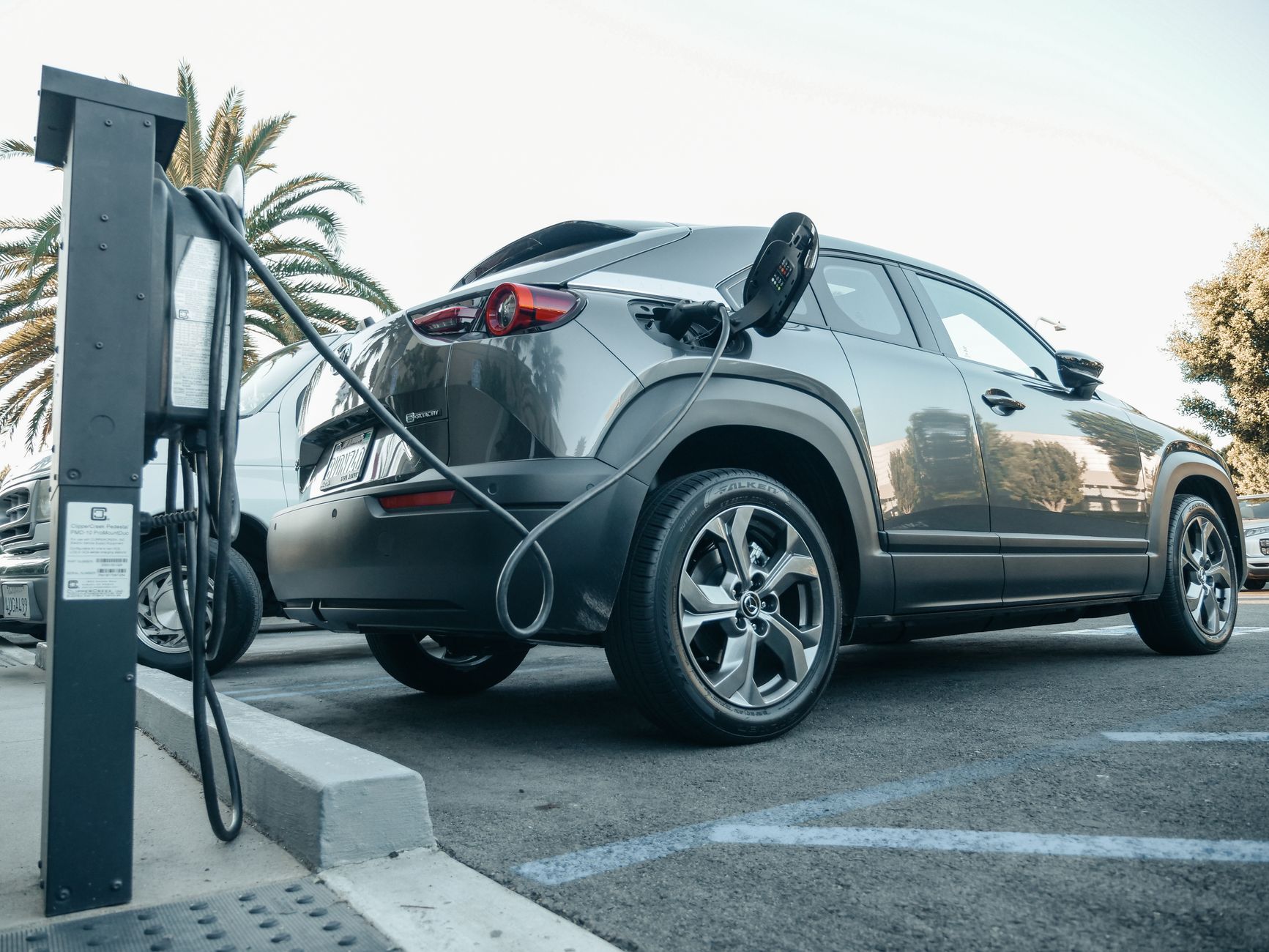
- Expanding Charging Network: A robust network of hydrogen refueling stations has been established across the country, facilitating easier access for owners and boosting consumer confidence in hydrogen technology.
- Increased Awareness: Ongoing campaigns promoting the environmental benefits of hydrogen vehicles have raised awareness among the public, leading to a greater interest in sustainable transportation options.
As Hyundai continues to innovate and expand its hydrogen vehicle lineup, the company is positioned to further capitalize on this growing market. The combination of government support, infrastructure development, and consumer education is expected to drive Hyundai hydrogen vehicle sales in the coming years, solidifying its role as a leader in the hydrogen mobility sector.
Key Factors Driving Sales Growth
Hyundai’s hydrogen vehicle sales have seen significant growth in South Korea, driven by several key factors. These elements not only highlight the market’s potential but also underscore the commitment of both the company and the government towards green technology.
- Government Subsidies: The South Korean government has implemented robust subsidies to encourage the adoption of hydrogen vehicles. These financial incentives have made Hyundai’s offerings more accessible to consumers, significantly boosting sales.
- Expanding Infrastructure: The development of a comprehensive hydrogen charging network has been crucial. With more refueling stations being established across the country, potential buyers feel more confident in choosing hydrogen vehicles, knowing they have easy access to fuel.
- Technological Advancements: Hyundai continues to invest in research and development, producing vehicles that not only meet but exceed consumer expectations in terms of performance and safety. This focus on innovation has attracted a diverse customer base.
- Growing Environmental Awareness: As public awareness of climate change increases, more consumers are inclined to consider eco-friendly alternatives. Hyundai’s hydrogen vehicles align with this trend, appealing to environmentally conscious buyers.
These factors combined have led to a notable increase in Hyundai hydrogen vehicle sales, reflecting a positive trajectory in the market for sustainable transportation.
Impact of Subsidies on Market
The growth of Hyundai hydrogen vehicle sales in South Korea has been significantly influenced by government subsidies aimed at promoting clean energy solutions. These subsidies have not only made hydrogen vehicles more affordable for consumers but have also encouraged manufacturers to invest in the necessary infrastructure.
One of the main components of the subsidy program includes financial incentives for both buyers and manufacturers. This has led to a noticeable increase in demand for hydrogen vehicles, as consumers are more likely to consider purchasing these environmentally friendly options when financial barriers are reduced.
Additionally, the development of a robust hydrogen charging network has played a crucial role in the market. With more refueling stations becoming available, potential buyers feel more confident in the practicality of owning a hydrogen vehicle. The collaboration between public and private sectors to expand this network has been pivotal in overcoming range anxiety, a common concern among prospective buyers.
Furthermore, the South Korean government has set ambitious targets for hydrogen adoption, including a commitment to increase the number of hydrogen vehicles on the road. This forward-thinking approach is expected to bolster Hyundai hydrogen vehicle sales even further, solidifying the company’s position as a leader in the hydrogen market.
Future of Hydrogen Vehicles in South Korea
The future of hydrogen vehicles in South Korea appears promising, with Hyundai leading the charge in hydrogen vehicle sales. As the government continues to invest in infrastructure and incentives, the landscape for hydrogen-powered transportation is set to evolve significantly.
Several factors contribute to the optimistic outlook for Hyundai hydrogen vehicle sales:
- Government Initiatives: The South Korean government is committed to promoting clean energy solutions, which includes substantial investments in hydrogen production and distribution.
- Technological Advancements: Continuous improvements in hydrogen fuel cell technology are enhancing vehicle performance and reliability, making them more appealing to consumers.
- Public Awareness: Increased awareness of environmental issues is pushing consumers toward eco-friendly options, which bodes well for hydrogen vehicles.
Moreover, the development of a robust hydrogen charging network is crucial for the widespread adoption of these vehicles. As more refueling stations become available, the convenience of owning a hydrogen vehicle will increase, further driving sales.
In conclusion, the trajectory of Hyundai hydrogen vehicle sales in South Korea seems poised for continued growth, supported by favorable policies, advances in technology, and a commitment to sustainable transportation. The market is evolving, and Hyundai’s role as a leader in this sector cannot be overstated.
Hyundai hydrogen vehicle sales have seen a significant increase, reflecting the growing demand for eco-friendly transportation options. This trend highlights the company’s commitment to sustainable innovation in the automotive industry.
via Wikimedia Commons