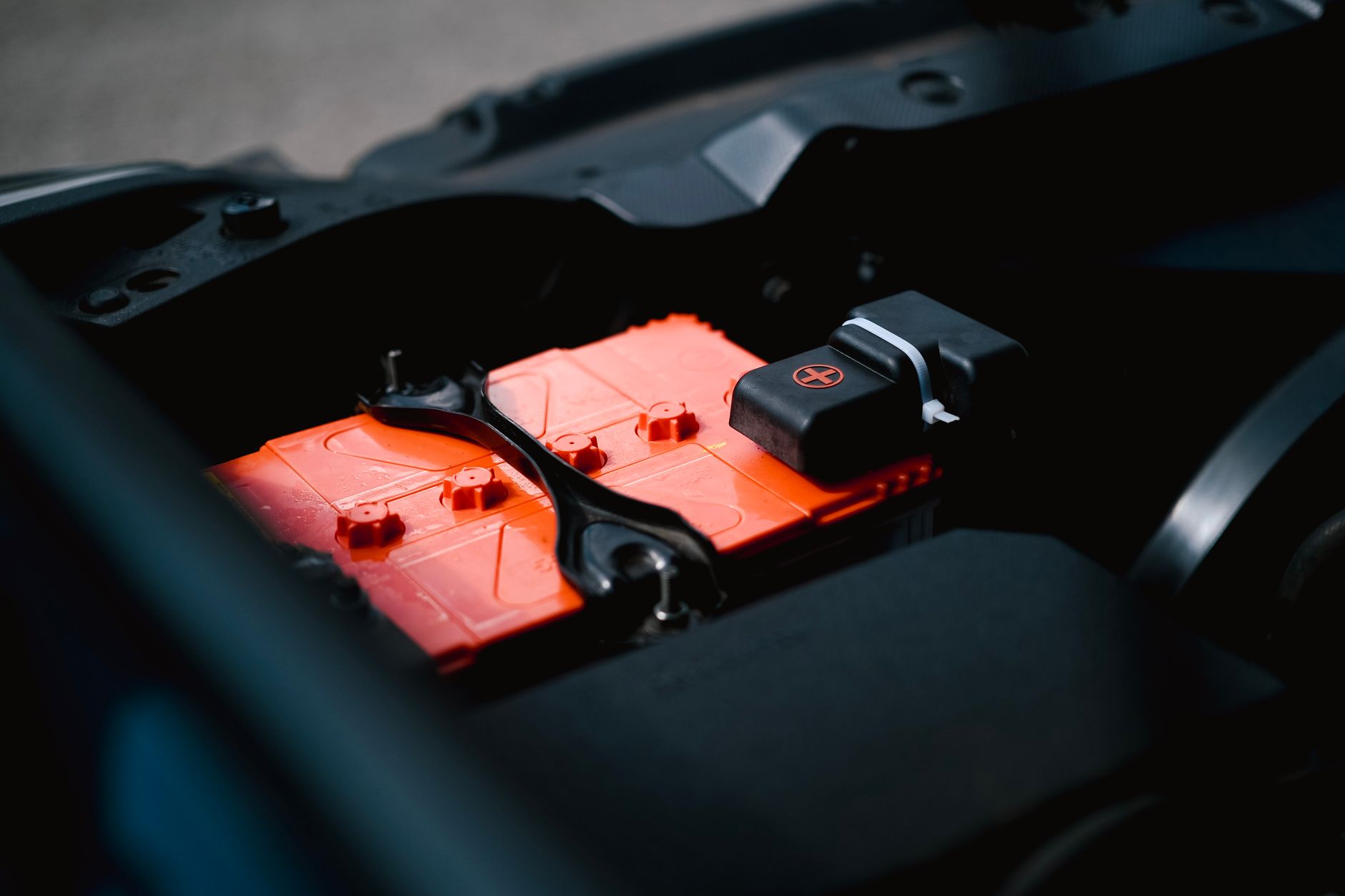
electric cars battery retention is a key concern for many buyers. Recent tests reveal that top electric cars can retain an impressive 90% of their battery capacity even after 1.5 lakh kilometers.
Understanding Battery Retention in Electric Cars
As the popularity of electric cars continues to rise, understanding battery retention becomes crucial for consumers and manufacturers alike. Battery retention refers to the ability of an electric vehicle’s battery to maintain its capacity over time, which directly influences the car’s performance and longevity.
Recent studies have shown that many electric cars can achieve impressive battery retention rates. In fact, tests conducted on over five lakh vehicles revealed that top electric cars can retain up to 90% of their battery capacity after driving 1.5 lakh kilometers. This statistic highlights the advancements in battery technology and the growing reliability of electric vehicle (EV) batteries.
Several factors contribute to effective battery retention in electric cars, including:
- Battery Chemistry: Newer lithium-ion batteries often exhibit better retention than older technologies.
- Thermal Management: Efficient cooling systems help maintain optimal operating temperatures, enhancing battery life.
- Charging Habits: Proper charging practices can significantly impact battery longevity and retention.
In summary, a solid understanding of battery retention in electric cars is essential for consumers looking to invest in a sustainable and reliable vehicle.
Top Performers in Battery Retention
When it comes to electric cars, battery retention is a crucial factor determining their long-term viability and performance. Recent tests have highlighted several models that stand out in this area, boasting impressive battery retention rates even after extensive use.
According to a comprehensive study involving 500,000 electric vehicles, the following models have emerged as top performers in battery retention:
- Tesla Model 3 – Known for its innovative technology, this model retains up to 90% of its battery capacity after 150,000 kilometers.
- Nissan Leaf – With a strong reputation for reliability, the Leaf shows a remarkable battery retention of around 87% after similar mileage.
- Hyundai Kona Electric – This compact SUV has proven to maintain approximately 88% of its battery capacity, making it a popular choice among consumers.
- Ford Mustang Mach-E – This electric crossover exhibits around 85% battery retention after 150,000 kilometers, showcasing its durability.
- Chevrolet Bolt EV – Another strong contender, the Bolt retains nearly 90% of its battery even after significant usage.
These models demonstrate that electric cars can indeed achieve remarkable battery retention, ensuring a more sustainable and cost-effective ownership experience.
Factors Affecting Electric Car Batteries
Several key factors influence the battery retention of electric cars, significantly impacting their overall performance and longevity. Understanding these factors can help potential buyers make informed decisions.
- Battery Chemistry: The type of battery used in electric vehicles plays a crucial role in battery retention. Lithium-ion batteries, which are commonly used, tend to have better retention rates compared to older technologies.
- Charging Habits: How and when the vehicle is charged can affect battery health. Frequent fast charging can lead to faster degradation, while regular, slower charging may improve retention.
- Temperature Exposure: Extreme temperatures can adversely affect battery performance. Both high heat and extreme cold can reduce battery capacity and retention over time.
- Driving Conditions: Aggressive driving and frequent acceleration can place added stress on electric car batteries, leading to quicker wear and reduced retention.
- Software Management: Advanced battery management systems in electric cars can optimize charging cycles and enhance battery retention through intelligent usage patterns.
In summary, electric cars’ battery retention is influenced by a combination of factors, and awareness of these can lead to better maintenance practices and improved vehicle longevity.
Long-Term Battery Life and Maintenance
Long-term battery life is a significant concern for electric car owners, as it directly impacts the vehicle’s overall performance and resale value. Proper maintenance can significantly enhance battery retention, ensuring that electric cars operate efficiently over time.
To maximize battery lifespan, consider the following maintenance tips:
- Avoid extreme temperatures: Keeping the battery within a moderate temperature range helps prevent degradation.
- Regular charging habits: Maintaining a charging routine that avoids complete discharges can improve overall battery health.
- Use recommended charging equipment: Utilizing the manufacturer’s recommended chargers ensures optimal battery performance and safety.
- Monitor battery health: Many modern electric vehicles come equipped with software that tracks battery performance, providing valuable insights into its condition.
Research indicates that top electric cars can retain up to 90% of their battery capacity after extensive use, such as traveling over 1.5 lakh kilometers. This statistic underscores the potential for long-term battery retention in well-maintained electric vehicles, making them a smart choice for consumers looking for sustainability and reliability.
By following these guidelines, electric car owners can help preserve their vehicle’s battery life, resulting in better performance and longevity.
Consumer Insights on Electric Vehicles
As electric vehicles (EVs) continue to gain popularity, consumer insights reveal significant concerns regarding electric cars battery retention. A recent survey highlighted that potential buyers are increasingly aware of how battery performance impacts the overall value and longevity of their vehicles.
Many consumers expressed their desire for more transparent information on battery health and retention. The survey indicated that approximately 70% of respondents are willing to pay a premium for models known for superior battery retention. This trend underscores the importance of manufacturers providing data on long-term battery performance.
In addition, consumers are keen on understanding the implications of battery degradation over time. Key insights from the survey include:
- Reliability: 68% of participants prioritize brands with proven battery retention records.
- Longevity: 75% believe that high battery retention is essential for resale value.
- Awareness: Over 80% of consumers want detailed reports on battery lifespan from manufacturers.
This growing emphasis on battery retention is shaping the landscape of the EV market, encouraging automakers to innovate and ensure their vehicles meet consumer expectations.
Future Trends in Electric Car Technology
As the electric vehicle (EV) market continues to expand, future trends in electric car technology are increasingly focused on enhancing battery retention. Manufacturers are investing heavily in research and development to create batteries that not only last longer but also retain their capacity over time.
Emerging technologies and innovations are set to redefine the landscape of electric cars. Some key trends to watch include:
- Solid-State Batteries: These batteries promise higher energy density and improved safety. Their potential for better battery retention could revolutionize the EV industry.
- Battery Recycling: With the rise in electric car adoption, recycling programs are crucial. Improved battery retention can contribute to a more sustainable lifecycle for EV batteries.
- Smart Battery Management Systems: Advanced algorithms and sensors will enable better monitoring and optimization of battery performance, increasing overall lifespan and efficiency.
- Fast Charging Technologies: Innovations in charging methods that minimize heat generation can further enhance battery retention, making electric cars more appealing to consumers.
These advancements, combined with growing consumer awareness, indicate a promising future for electric cars, with a strong emphasis on battery retention and performance.
Understanding the factors that influence electric cars battery retention is crucial for maximizing vehicle lifespan. Recent studies have shown that temperature management plays a significant role in enhancing electric cars battery retention.
Photo by Ayyeee Ayyeee on Pexels