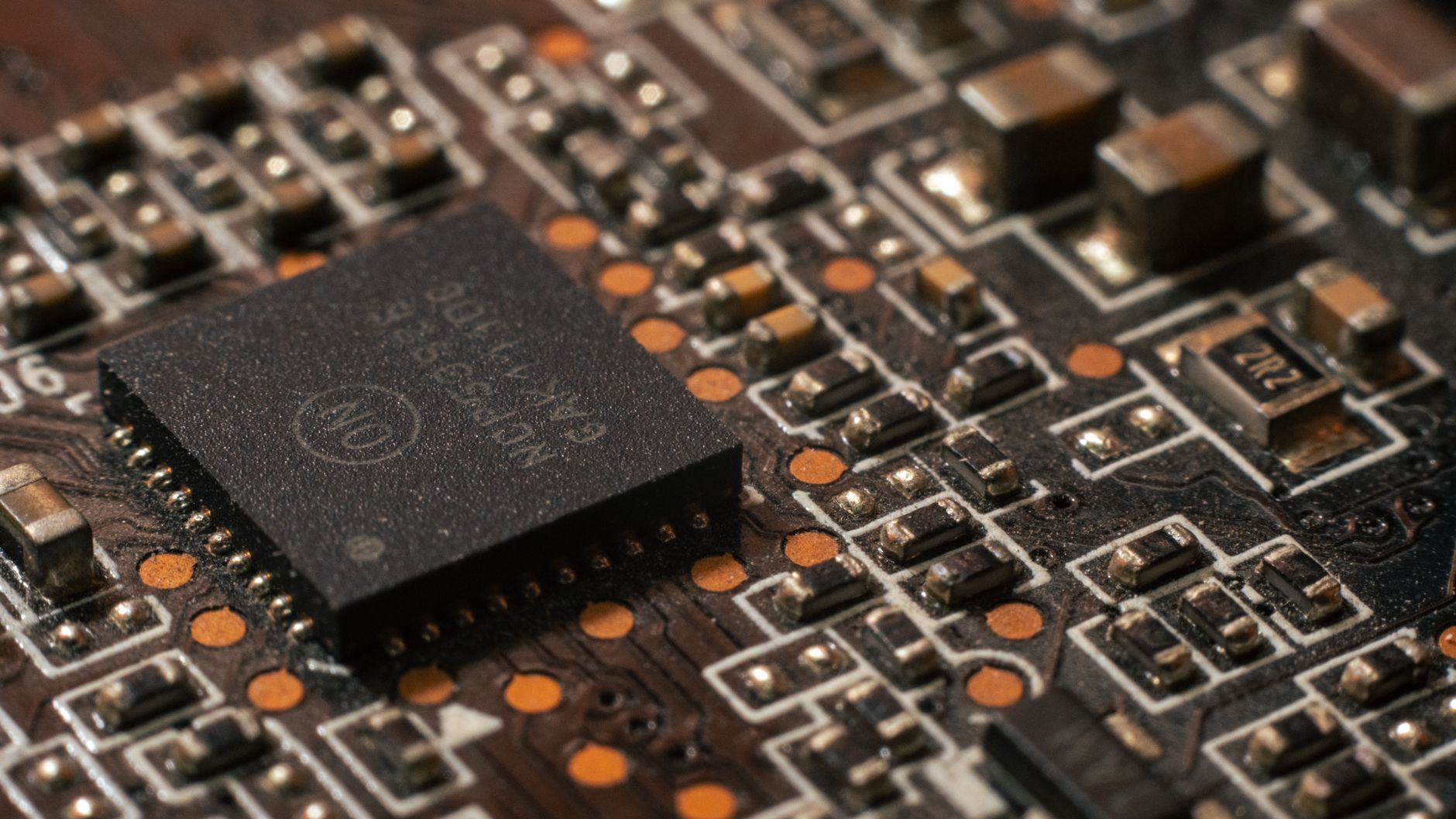
Blackwell chips AI has emerged as a significant topic, revealing crucial insights from recent Chinese models. This development could reshape the tech landscape.
What Are Blackwell Chips?
Blackwell chips are the latest innovation in semiconductor technology, designed to enhance computational power and efficiency. These chips are expected to play a significant role in various applications, including artificial intelligence, machine learning, and high-performance computing.
The architecture of Blackwell chips incorporates advanced features that allow them to process data at unprecedented speeds. Some key characteristics include:
- Optimized Processing Units: Blackwell chips feature specialized processing units that improve the execution of complex algorithms.
- Energy Efficiency: These chips are designed to maximize performance while minimizing energy consumption, making them ideal for data centers and mobile devices.
- Enhanced Connectivity: Blackwell chips support high-speed data transfer, facilitating seamless interaction between devices and networks.
- Scalability: The architecture allows for easy scalability, enabling developers to create applications that can grow with increasing demands.
Recent discoveries from Chinese AI models have unveiled clues that suggest the capabilities of Blackwell chips may be more extensive than previously thought. As researchers continue to explore these advancements, the potential applications of Blackwell chips in AI could revolutionize the industry.
Insights from Chinese AI Models
Recent developments in Chinese AI models have provided significant insights into the functionalities and potential of Blackwell chips. These advanced models have demonstrated capabilities that may hint at the architecture and design decisions behind these chips, which are expected to play a crucial role in the next generation of computing.
One of the key findings from these models includes:
- Increased Efficiency: Chinese AI models suggest that Blackwell chips leverage enhanced power efficiency, making them suitable for a variety of applications from mobile devices to large data centers.
- Improved Processing Speed: The models imply that the chips could offer significant advancements in processing speed, allowing for quicker data analysis and real-time processing in AI tasks.
- Advanced Integration: Insights indicate that Blackwell chips may integrate seamlessly with existing technologies, facilitating smoother transitions for developers and businesses adopting new hardware.
As the tech community continues to analyze these findings, they provide a clearer picture of how Blackwell chips could influence the future of AI and computing technologies.
Impact on the Semiconductor Industry
The recent revelations about Blackwell chips AI from Chinese models are poised to significantly impact the semiconductor industry. As manufacturers scramble to adapt to the evolving landscape, the implications are vast and multifaceted.
One major effect is the potential shift in supply chains. Companies may need to reassess their partnerships and sourcing strategies to mitigate risks associated with geopolitical tensions. The unveiling of these new insights indicates that reliance on specific regions for semiconductor production could hinder innovation and growth.
Additionally, the findings could accelerate competition in the AI sector. As companies gain access to cutting-edge technologies and insights from Blackwell chips, we may see a race to develop more advanced AI applications. This could lead to:
- Increased investment in research and development.
- Faster technological advancements across various industries.
- Greater collaboration between tech firms and academic institutions.
Ultimately, the intersection of Blackwell chips AI and emerging Chinese models could redefine the semiconductor landscape, pushing companies to innovate and adapt at an unprecedented pace.
Future of AI Technology
The future of AI technology is poised for significant transformation as researchers and developers begin to harness the potential of Blackwell chips. These advanced chips are designed to enhance computational capabilities, enabling more sophisticated AI models and applications.
Experts believe that the integration of Blackwell chips into existing AI frameworks will lead to:
- Increased Efficiency: By leveraging the unique architecture of Blackwell chips, AI systems can process data faster and more efficiently, ultimately reducing the time required for training complex models.
- Enhanced Performance: The performance improvements offered by Blackwell chips can lead to breakthroughs in various fields, including healthcare, finance, and transportation, where AI-driven solutions are becoming increasingly essential.
- Greater Accessibility: As the cost of implementing Blackwell chips decreases, more organizations will be able to access advanced AI technologies, democratizing innovation and fostering new applications.
However, the path forward is not without challenges. As outlined in recent findings from Chinese AI models, there are concerns surrounding the potential restrictions and regulations that could impact the deployment of Blackwell chips in global markets.
Overall, the future of AI technology will heavily rely on advancements like Blackwell chips, shaping a new era of innovation.
The recent advancements in machine learning have sparked significant interest in how Blackwell chips AI can leverage new insights from Chinese models. As researchers delve deeper, the implications of Blackwell chips AI on global technology markets are becoming increasingly evident.
Photo by Ivan Chumak on Pexels