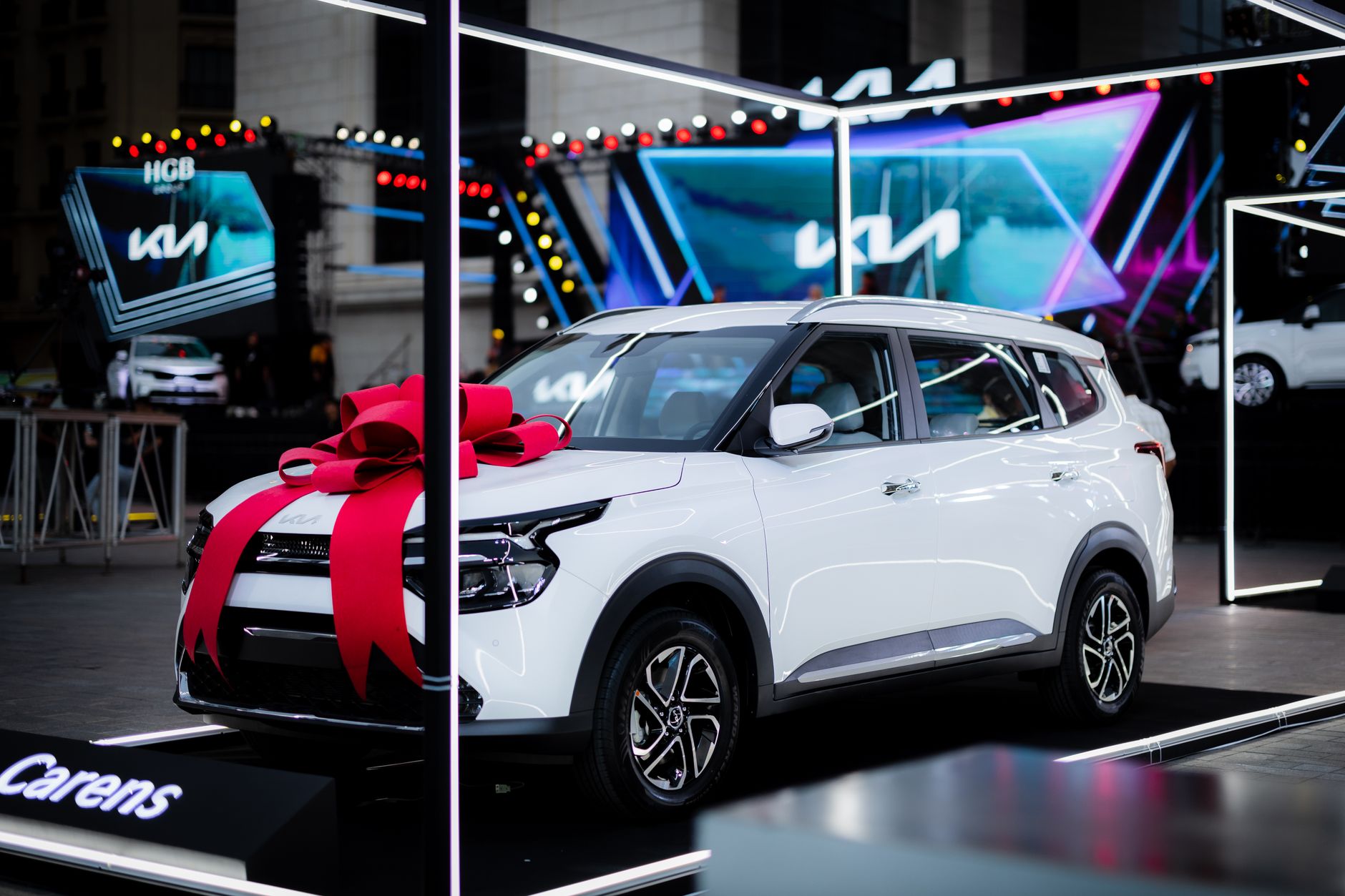
Government subsidizing foreign automakers has become a contentious issue, particularly surrounding the luxury tax exemption for EVs priced up to $150k. This debate highlights the potential implications for domestic manufacturers and consumers alike.
Understanding the Luxury Tax Exemption
The recent decision by the government to subsidize foreign automakers has sparked significant debate, particularly regarding the luxury tax exemption for electric vehicles (EVs) priced up to $150,000. This exemption is designed to encourage the adoption of electric vehicles by making them more financially accessible to buyers.
Critics, particularly from conservative circles, argue that this move disproportionately benefits wealthy consumers who can afford luxury EVs, rather than supporting the broader population. They contend that government subsidizing foreign automakers through tax breaks may not align with the interests of American manufacturers and workers.
Supporters, however, believe that the exemption can foster innovation within the EV market, leading to more competition and better products for consumers. They argue that by attracting foreign investment, the overall economy can benefit, creating jobs in related sectors.
The implications of this policy are multifaceted, with potential advantages and drawbacks. As the government navigates this issue, understanding the balance between promoting environmental sustainability and ensuring fair competition within the automotive industry remains crucial.
Key points include:
- Potential economic benefits from increased EV adoption
- Concerns over equity and fairness for domestic manufacturers
- The broader impact on job creation in the automotive sector
Impact on Domestic Automakers
The government’s decision to subsidize foreign automakers through the exemption of electric vehicles (EVs) priced up to $150,000 from the luxury tax has raised significant concerns among domestic manufacturers. Many industry experts argue that this policy could jeopardize the competitiveness of U.S.-based car manufacturers.
Domestic automakers face a challenging landscape as they struggle to compete with the financial advantages granted to foreign companies. These subsidies may lead to a decrease in market share for U.S. brands, as consumers might lean towards more affordable EV options from foreign producers. The long-term implications could affect job security and investment in local manufacturing.
Some of the key points of concern include:
- Job Losses: Reduced demand for domestic vehicles may lead to layoffs in manufacturing plants.
- Innovation Stagnation: With less competition, domestic automakers might lack motivation to innovate or improve their products.
- Market Distortion: The subsidies could create an uneven playing field, favoring foreign brands over local ones.
In conclusion, the government’s subsidizing of foreign automakers poses serious risks that could undermine the stability and growth of the domestic automotive industry.
Political Reactions to Subsidies
The decision by the government to subsidize foreign automakers has sparked a wave of political reactions across the spectrum. Critics argue that these subsidies undermine domestic manufacturing and prioritize foreign companies over local jobs. Conservative leaders have been vocal in their opposition, emphasizing that exempting electric vehicles (EVs) priced up to $150,000 from the luxury tax disproportionately benefits wealthy consumers and foreign manufacturers.
They contend that this policy not only distorts market competition but also diverts essential resources away from local automakers struggling to keep their operations afloat. Senator Jane Doe stated, “Subsidizing foreign automakers is not the way to support American workers. We should be investing in our own industries.”
In contrast, some proponents of the subsidies argue that they are necessary to encourage the transition to electric vehicles and combat climate change. They highlight that a global market for EVs can bolster the economy overall, creating opportunities for all manufacturers, domestic and foreign.
As the debate continues, the implications of the government subsidizing foreign automakers remain a contentious topic. Many are left wondering how these subsidies will ultimately shape the future landscape of the automotive industry.
Consumer Perspectives on EV Pricing
As the debate around government subsidizing foreign automakers intensifies, consumer perspectives on electric vehicle (EV) pricing are becoming increasingly crucial. Many consumers are excited about the prospect of lower prices for EVs, which could make these environmentally friendly vehicles more accessible. However, the implications of these subsidies raise mixed feelings among potential buyers.
Some consumers argue that the luxury tax exemption for EVs priced up to $150,000 primarily benefits wealthier buyers, thereby limiting the intended reach of the subsidies. They believe that the government should focus on making affordable EV options more widely available instead of promoting high-end models. In contrast, others feel that as long as the subsidies stimulate growth in EV technology and infrastructure, the higher price point is justified.
Additionally, there is concern about the long-term effects on the domestic automotive market. With government funds flowing to foreign manufacturers, consumers are left questioning whether their support for EVs inadvertently undermines local jobs and production. Ultimately, while the allure of lower prices is appealing, the ramifications of government subsidizing foreign automakers prompt a deeper examination of the broader economic landscape.
Comparative Analysis of Global Subsidies
A comparative analysis of global subsidies reveals a complex landscape where various governments offer financial incentives to attract foreign automakers. This trend has sparked debates about the implications of government subsidizing foreign automakers, particularly in the electric vehicle (EV) sector.
Countries like Germany, Japan, and South Korea have established robust subsidy programs aimed at promoting local manufacturing and innovation. Germany, for example, provides significant incentives for EV production and purchase, leading to a surge in foreign investments from companies like Tesla and Volkswagen. Similarly, Japan has implemented tax breaks and grants to enhance its automotive industry’s competitiveness on a global scale.
- Germany: Substantial subsidies for EV development.
- Japan: Tax incentives for local production.
- South Korea: Grants to boost electric vehicle manufacturing.
In contrast, the United States has adopted a more fragmented approach, with state-level initiatives varying widely. Critics argue that government subsidizing foreign automakers could undermine domestic producers and lead to job losses in the long run. However, proponents contend that attracting foreign investments is crucial for technological advancement and increasing consumer choices in a rapidly evolving market.
Future of the EV Market
The future of the electric vehicle (EV) market is poised for significant transformation as the government continues subsidizing foreign automakers. This strategic move has raised questions about its long-term implications for both consumers and the domestic automotive industry.
With the luxury tax exemption extending to EVs priced up to $150,000, foreign manufacturers are positioned to attract a wealthier consumer base. As these automakers invest in advanced technologies and sustainable practices, the competition in the EV sector is expected to intensify. Industry analysts predict that this influx of foreign investment may lead to accelerated innovation and potentially lower prices for consumers in the long run.
However, there are concerns regarding the sustainability of this approach. Critics argue that by government subsidizing foreign automakers, the administration may be inadvertently hindering the growth of domestic manufacturers who struggle to compete under such conditions. As the market evolves, it remains to be seen whether these foreign investments will translate into broader benefits for the American economy or if they will simply reinforce existing disparities in the automotive landscape.
Ultimately, the direction of the EV market will depend heavily on regulatory frameworks and the balance struck between supporting domestic industries and embracing global competition.
Key Takeaways on Government Intervention
The ongoing debate surrounding the government subsidizing foreign automakers has highlighted several significant points regarding economic and consumer implications. Understanding these key takeaways is essential for grasping the broader impact of such policies.
- Economic Impact: The subsidies may stimulate job creation in the short term, but critics argue they could undermine the competitiveness of domestic manufacturers, leading to long-term economic challenges.
- Market Dynamics: With foreign automakers benefiting from government incentives, there could be a shift in market dynamics, potentially disadvantaging local producers who do not receive equivalent support.
- Consumer Behavior: While consumers may enjoy lower prices on electric vehicles (EVs), the long-term implications of relying on foreign manufacturers could affect local job markets and technological advancements.
- Political Ramifications: The issue has polarized political opinions, with many conservatives arguing against government intervention that favors foreign companies over domestic interests.
- Future Considerations: As the EV market evolves, the sustainability of such subsidies remains questionable, raising concerns about dependency on foreign automakers and the potential for economic imbalance.
In summary, government subsidizing foreign automakers presents both opportunities and challenges that warrant careful consideration from policymakers and consumers alike.
The debate surrounding government subsidizing foreign automakers has intensified as critics argue that it undermines domestic manufacturing. Proponents, however, believe that government subsidizing foreign automakers can lead to job creation and economic growth in the long run.
Photo by Lilly Grace on Pexels