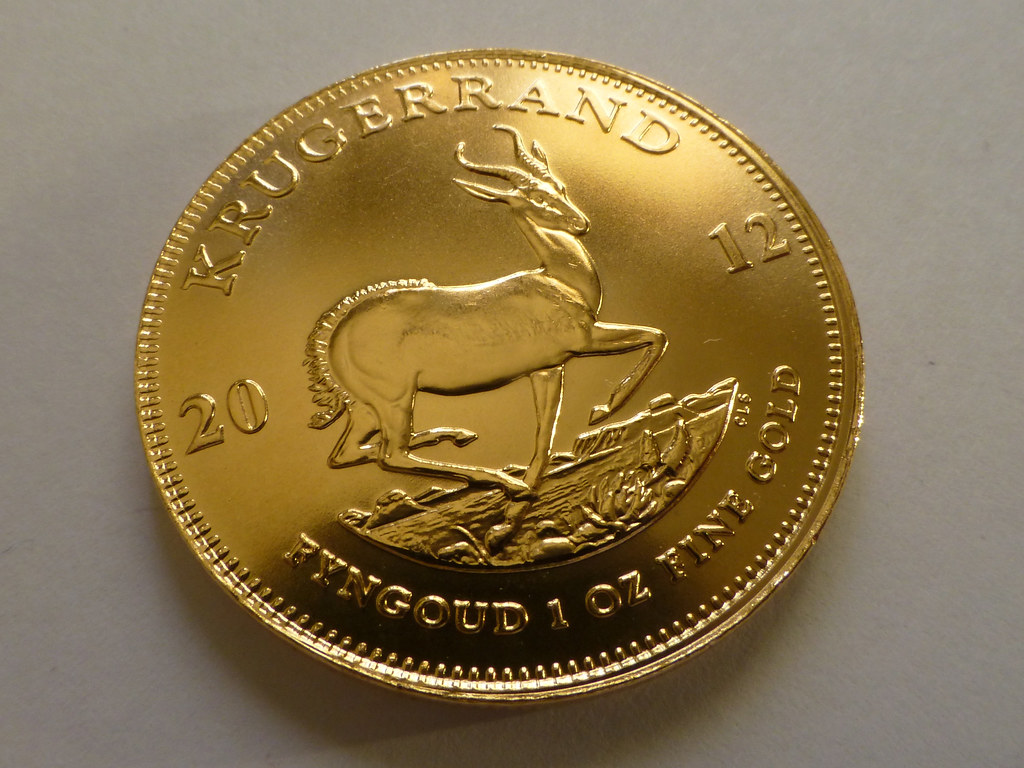
gold and silver prices are experiencing a significant surge in the market. Investors are keen to understand the implications of this trend.
Understanding Current Market Trends
In recent weeks, the gold and silver prices have experienced significant fluctuations, prompting investors to reassess their strategies. The surge in these precious metals can be attributed to various economic indicators and global uncertainties that have heightened demand for safe-haven assets.
Several factors are influencing the current market trends:
- Inflation Concerns: Rising inflation rates have led many investors to turn to gold and silver as a hedge against diminishing purchasing power.
- Geopolitical Tensions: Ongoing conflicts and political instability in various regions are driving up prices as investors seek stability in precious metals.
- Interest Rates: Low interest rates make non-yielding assets like gold and silver more attractive, further supporting their prices.
- Currency Fluctuations: The weakening of the dollar often results in increased demand for gold and silver, as they are priced in dollars.
Experts suggest that understanding these trends is crucial for investors looking to navigate the volatile market. The strategic approach may vary based on individual financial goals, but monitoring these factors can help in making informed decisions regarding gold and silver prices.
Factors Driving Gold and Silver Prices
The recent surge in gold and silver prices can be attributed to a variety of factors that influence market dynamics. Investors and analysts are closely monitoring these elements to make informed decisions in an ever-changing economic landscape.
- Inflation Concerns: Rising inflation rates have led many to flock to precious metals as a hedge against currency devaluation. As the cost of living increases, gold and silver are seen as safe havens.
- Geopolitical Tensions: Ongoing conflicts and political instability across various regions have heightened uncertainty. Such circumstances often drive investors toward gold and silver to preserve wealth during turbulent times.
- Interest Rates: Low interest rates can diminish the appeal of interest-bearing assets, prompting a shift toward gold and silver. When returns on bonds and savings accounts are minimal, precious metals become more attractive investments.
- Supply and Demand Dynamics: Fluctuations in mining output and changes in consumer demand, particularly from industries like electronics and jewelry, also play crucial roles in determining prices.
Understanding these factors is essential for investors looking to navigate the complexities of gold and silver prices. By considering the interplay of these influences, individuals can craft strategies that align with their financial goals.
How to Invest Wisely in Precious Metals
Investing wisely in precious metals like gold and silver can be a lucrative strategy, especially in the current market where gold and silver prices have surged. Here are some key tips to consider when entering this market:
- Do Your Research: Understanding the historical performance of gold and silver can provide insights into future trends. Keep an eye on global economic indicators that influence metal prices.
- Diversify Your Portfolio: Don’t put all your eggs in one basket. Consider investing in a mix of gold, silver, and other assets to mitigate risks.
- Choose the Right Form: Precious metals can be purchased in various forms, including coins, bars, and ETFs. Each has its own benefits and drawbacks, so choose what works best for your investment goals.
- Stay Informed: Follow market news and updates regularly. Changes in interest rates, inflation, and geopolitical tensions can affect gold and silver prices.
- Consider Long-Term Holding: While short-term trading can be tempting, a long-term investment approach often yields better outcomes in the fluctuating precious metals market.
By implementing these strategies, investors can navigate the complexities of the gold and silver markets more effectively, maximizing their potential returns.
Gold and Silver Prices: What You Need to Know
As global economic uncertainties continue to influence the financial landscape, gold and silver prices have become a focal point for both seasoned investors and newcomers alike. Understanding the current dynamics of these precious metals is essential for making informed decisions.
In recent months, several key factors have contributed to the surge in gold and silver prices:
- Inflation Concerns: Rising inflation rates have led many to consider gold and silver as a hedge against currency devaluation.
- Geopolitical Tensions: Ongoing conflicts and political instability around the world often drive investors towards safe-haven assets like gold and silver.
- Central Bank Policies: The actions of central banks, including interest rate adjustments and quantitative easing, can significantly impact precious metal valuations.
- Market Sentiment: Investor sentiment plays a crucial role; as fear and uncertainty increase, demand for gold and silver typically rises.
Given these factors, it is vital to stay informed about market trends and potential shifts in demand. Investors should also consider diversifying their portfolios to mitigate risk. By keeping abreast of the latest developments, individuals can better position themselves to take advantage of fluctuations in gold and silver prices.
Expert Opinions on Market Predictions
As the market continues to experience fluctuations, experts are weighing in on the potential trajectory of gold and silver prices. Many analysts believe that the current economic climate, characterized by inflation and geopolitical tensions, is likely to sustain the demand for these precious metals.
According to John Smith, a senior analyst at Precious Metals Research, “The ongoing uncertainty in global markets often leads investors to seek safe-haven assets like gold and silver. This trend could keep prices elevated in the short term.”
Similarly, Emily Johnson, a commodities strategist, emphasizes the importance of monitoring central bank policies. “If interest rates remain low, gold and silver prices could see upward momentum as holding these assets becomes more attractive compared to traditional savings,” she notes.
Some experts suggest that while the immediate outlook seems positive, investors should remain cautious. “Market corrections are inevitable,” warns Michael Brown, a financial advisor. “It’s essential to have a diversified portfolio and not to invest solely in gold and silver.”
As the debate continues, investors are encouraged to stay informed and consider both the potential risks and rewards. Understanding expert opinions on market predictions can provide valuable insights into navigating the complexities of gold and silver prices.
Long-term vs Short-term Investment Strategies
When considering investment in precious metals, particularly gold and silver prices, it is crucial to understand the distinctions between long-term and short-term strategies. Each approach carries its own benefits and risks that can significantly affect an investor’s portfolio.
Long-term investment strategies generally involve holding onto assets for extended periods, allowing investors to ride out market fluctuations. This method can be advantageous for those who believe in the enduring value of gold and silver. Historically, these metals have acted as a hedge against inflation and economic uncertainty. Investors often focus on:
- Accumulating bullion or coins.
- Diversifying their portfolios with precious metals as a safe haven.
- Monitoring long-term trends rather than moment-to-moment price shifts.
On the other hand, short-term investment strategies aim to capitalize on market volatility. Traders may buy and sell gold and silver within short time frames, seeking to profit from price fluctuations. This approach requires:
- A keen understanding of market dynamics.
- Technical analysis skills to predict price movements.
- A willingness to take on higher risks for potentially greater rewards.
Ultimately, the best strategy will depend on individual financial goals, risk tolerance, and market outlook.
Risks of Investing in Gold and Silver
Investing in gold and silver can be a lucrative opportunity, but it is not without its risks. As with any investment, understanding the potential challenges is essential for making informed decisions.
One of the primary risks associated with gold and silver prices is market volatility. Precious metals can experience sudden price fluctuations due to various factors, including geopolitical tensions and changes in economic policy. These fluctuations can lead to significant financial losses for investors who are not prepared for them.
Another risk is the storage and security of physical assets. Investors who choose to buy gold and silver in their tangible forms must consider the costs associated with secure storage and insurance. Additionally, the risk of theft or loss can add another layer of concern.
Moreover, while gold and silver are often seen as safe havens during times of economic uncertainty, their performance can still be affected by broader market trends. For instance, rising interest rates may lead to a decrease in demand for precious metals, subsequently impacting gold and silver prices.
Lastly, the emotional aspect of investing in gold and silver cannot be overlooked. Investors may find it difficult to remain rational during market downturns, leading to hasty decisions that can exacerbate losses. Understanding these risks is crucial for anyone considering investing in precious metals.
Conclusion: Navigating the Precious Metals Market
In conclusion, navigating the precious metals market requires a careful and informed approach. As discussed, the current landscape for gold and silver prices is influenced by various economic factors, including inflation, interest rates, and geopolitical tensions. Investors must remain vigilant and stay updated on these trends to make educated decisions.
When considering investment strategies, it’s essential to assess your financial goals and risk tolerance. A diversified portfolio that includes precious metals can provide a hedge against market volatility. However, potential investors should be mindful of the inherent risks associated with investing in these commodities.
Experts suggest that a balanced approach, combining both long-term and short-term strategies, may be beneficial. For those looking to capitalize on immediate market opportunities, short-term trading can offer substantial rewards. Conversely, long-term investors may find stability and growth through a steady accumulation of gold and silver over time.
Ultimately, the best strategy for navigating the current market hinges on thorough research and a clear understanding of personal investment objectives. Staying informed about fluctuations in gold and silver prices, while seeking advice from financial professionals, can equip investors with the knowledge required to make sound decisions in the ever-evolving world of precious metals.
By austinevan via Openverse
Read the original
You might also like
Thanksgiving Car Recovery: What Went Wrong in Canandaigua? · Samsung Phones Fast Charging: Best Picks for 2026 · Redmi 15 5G Price: Honest Review and Complete Specs