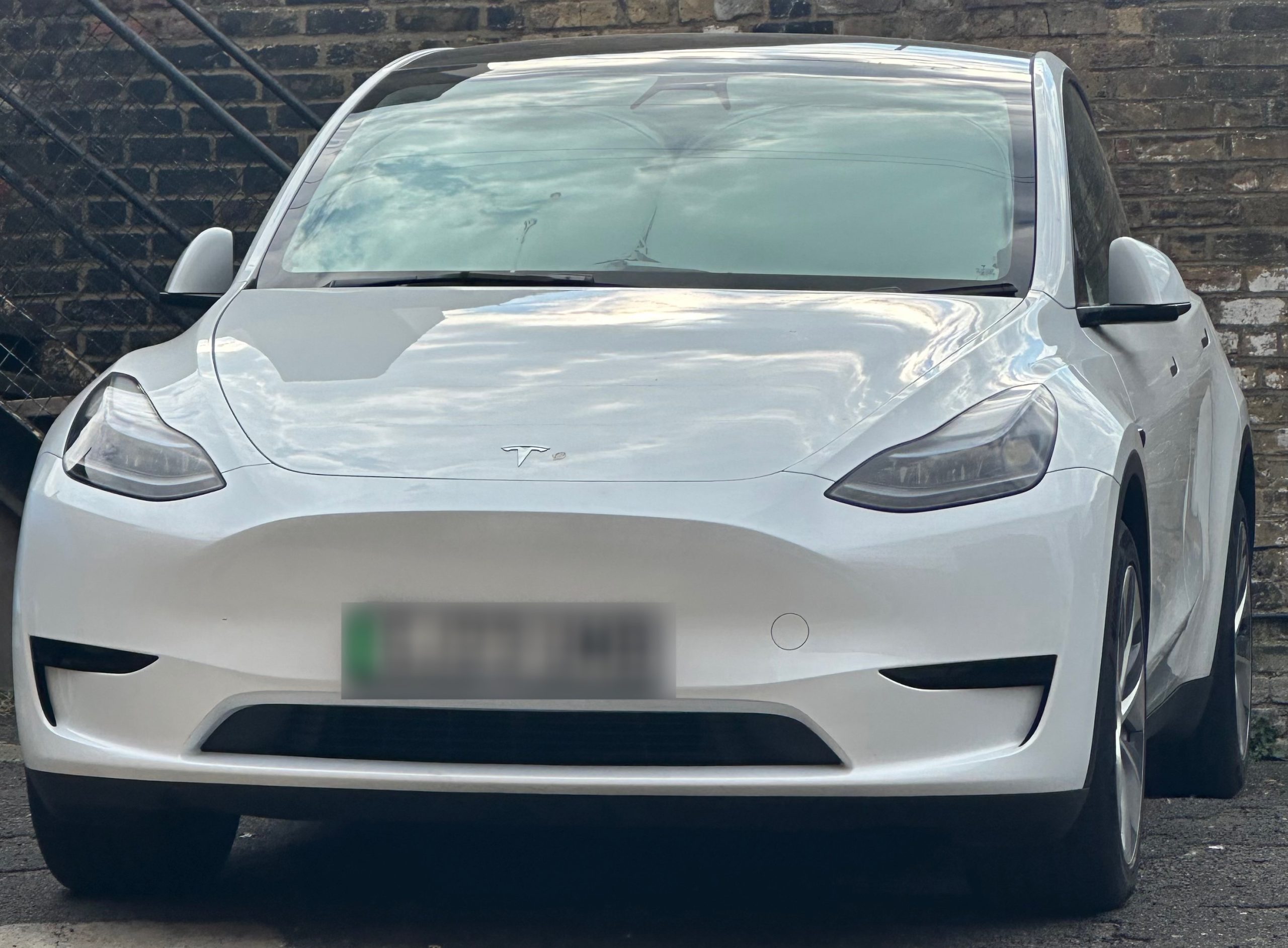
Price hikes in auto industry have been announced by Maruti Suzuki, Tata, Hyundai, and Audi due to rising input costs. This trend reflects the challenges faced by automakers in maintaining profitability.
Understanding the Recent Price Hikes
The auto industry is currently experiencing significant price hikes, driven by escalating input costs that have affected various manufacturers. Major brands such as Maruti Suzuki, Tata, Hyundai, and Audi have recently announced price increases, reflecting a broader trend in the automotive market.
These price hikes are attributed to several factors, including:
- Raw Material Costs: The prices of essential materials, such as steel and aluminum, have surged, impacting production expenses.
- Supply Chain Disruptions: Ongoing supply chain issues, exacerbated by global events, have led to increased costs for components.
- Technological Upgrades: As manufacturers invest in electric vehicles and advanced technologies, development costs contribute to higher prices.
Consumers are beginning to feel the impact of these price hikes as they search for affordable options in an increasingly competitive market. Many brands are focusing on maintaining quality while also addressing the need for sustainability. The situation highlights the delicate balance between innovation and affordability in the auto industry. As these price hikes continue, both manufacturers and consumers must adapt to the changing landscape.
Impact of Rising Input Costs on Automakers
The auto industry is currently facing significant challenges due to rising input costs, leading to a wave of price hikes among major manufacturers. Companies like Maruti Suzuki, Tata, Hyundai, and Audi have all announced increases in their vehicle prices, a response largely driven by various economic factors.
One of the primary reasons for these price hikes is the escalating cost of raw materials. Automakers are grappling with:
- Increased prices of metals such as steel and aluminum
- Higher costs of components and electronic parts
- Supply chain disruptions that have impacted production timelines
Additionally, the shift towards electric vehicles (EVs) demands substantial investment in technology and infrastructure, further straining budgets. As a result, manufacturers are compelled to pass these costs onto consumers, which can affect demand and sales volumes.
Industry experts predict that these price hikes in the auto industry will not be short-lived. Consumers may need to adapt to an era of elevated vehicle prices, potentially altering purchasing behaviors and preferences. The long-term implications of these changes could reshape the competitive landscape among automakers.
Maruti Suzuki and Tata’s Price Adjustments
In response to the mounting pressure from rising input costs, leading automakers such as Maruti Suzuki and Tata Motors have announced significant price hikes across their vehicle ranges. This trend reflects a broader challenge facing the auto industry, which is grappling with escalating expenses due to supply chain disruptions and increased material costs.
Maruti Suzuki, one of India’s largest car manufacturers, has confirmed that it will implement price adjustments on select models starting next month. The company cited factors including the soaring prices of raw materials and the need to maintain profitability as key reasons for the price hikes. Similarly, Tata Motors has indicated that their price increases will take effect soon, affecting a variety of models in their lineup.
Other brands are following suit, with Hyundai and Audi also announcing their own price adjustments. These changes highlight a significant shift in the market, as consumers will likely feel the impact of these price hikes in their purchasing decisions.
As the auto industry continues to navigate these challenges, customers are encouraged to stay informed about the evolving pricing landscape. The combination of rising input costs and subsequent price hikes may reshape consumer behavior in the coming months.
Customer Reactions to Price Increases
As the auto industry grapples with price hikes, customer reactions have varied significantly across different demographics. Many consumers express frustration over the rising costs, feeling that these price increases are becoming unsustainable.
Some customers have taken to social media to voice their concerns. Common sentiments include:
- Affordability Issues: Many potential buyers are worried that price hikes will push new vehicles out of their budget, leading to a decline in sales across various brands.
- Disappointment in Brands: Long-time loyal customers of companies like Maruti Suzuki and Tata are expressing feelings of betrayal, claiming that the brands are prioritizing profits over consumer satisfaction.
- Shift to Used Cars: With new vehicle prices rising sharply, there is a noticeable trend toward purchasing used cars. Consumers believe this option provides better value amid the ongoing price hikes in the auto industry.
Despite these challenges, some customers remain optimistic, hoping that manufacturers will stabilize prices as supply chains improve. However, the sentiment surrounding price hikes continues to linger, leaving many to wonder how these changes will impact their purchasing decisions in the future.
The recent price hikes in the auto industry have forced many consumers to reconsider their purchasing decisions. As brands adjust to these price hikes in the auto industry, competition becomes fiercer in a market that is already feeling the strain of increased costs.