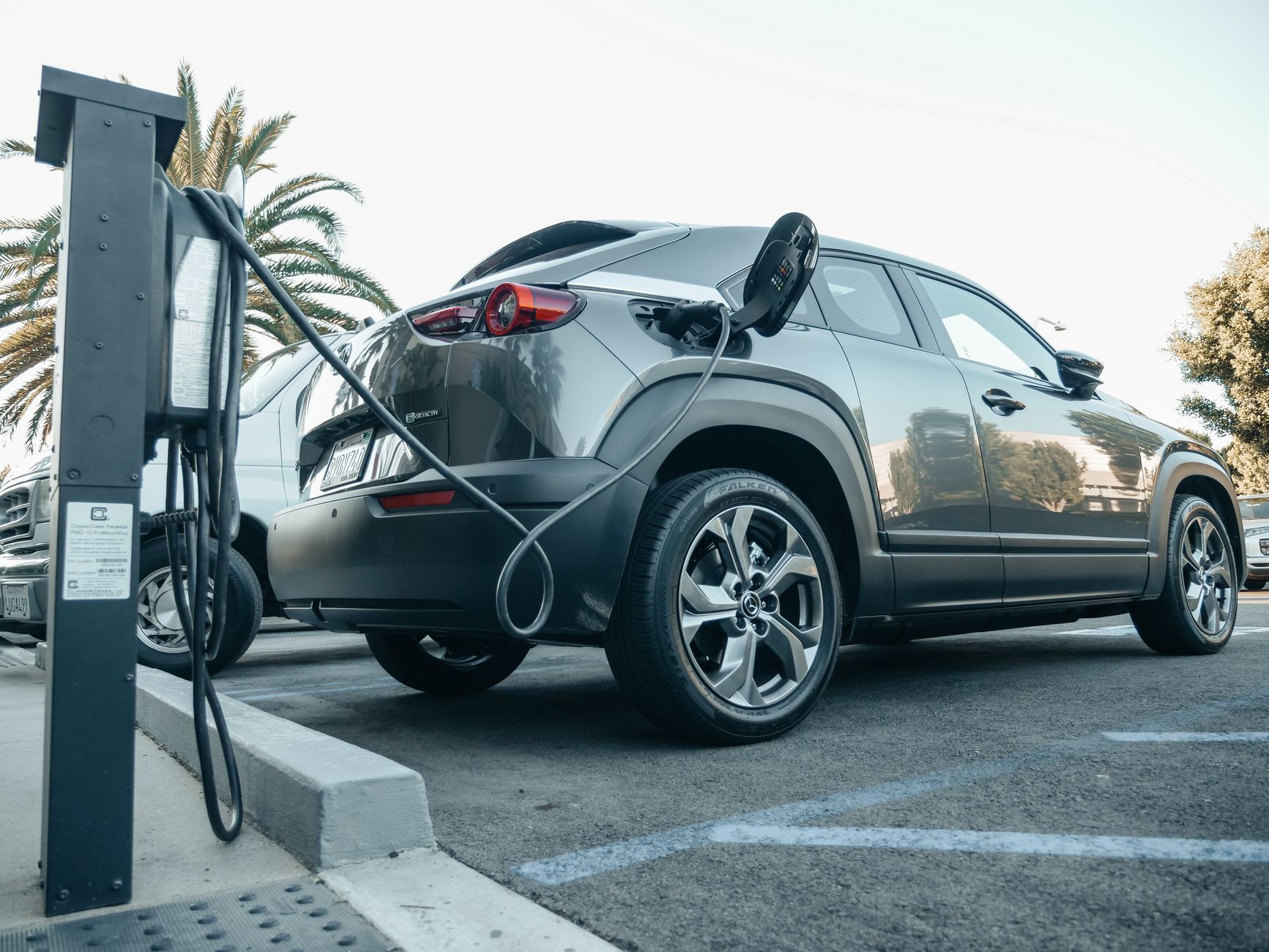
EV charging technology has taken a significant leap forward with NIT Rourkela securing a patent for its advanced charging solutions. This innovation is set to enhance the efficiency of electric vehicle charging.
Overview of NIT Rourkela’s Patent
NIT Rourkela has recently secured a patent for its groundbreaking innovation in EV charging technology, marking a significant milestone in the realm of electric vehicle development. This new technology promises to enhance the efficiency and speed of charging processes, addressing one of the major concerns faced by EV users today.
The patented solution incorporates advanced methodologies that streamline energy transfer, resulting in reduced charging times compared to traditional methods. The research team at NIT Rourkela has focused on optimizing various components to ensure compatibility with a wide range of electric vehicles.
Key features of this innovation include:
- Fast Charging: Significantly decreases the time required to charge electric vehicles.
- Improved Energy Efficiency: Enhances the overall performance of the charging process.
- Widespread Compatibility: Designed to work seamlessly with multiple EV models.
This patent not only positions NIT Rourkela as a leader in EV charging technology but also paves the way for future advancements in sustainable transportation solutions.
Importance of EV Charging Technology
The rise of electric vehicles (EVs) has underscored the critical importance of EV charging technology in supporting sustainable transportation. As more consumers shift towards electric mobility, the demand for efficient and reliable charging solutions continues to grow.
Advances in EV charging technology not only enhance the convenience for users but also contribute significantly to reducing carbon emissions. The implementation of innovative charging systems can lead to:
- Faster Charging Times: With improved technology, EVs can be charged in a fraction of the time compared to traditional methods.
- Increased Accessibility: Expanding the network of charging stations ensures that EV users have convenient access to power, making electric vehicles a more viable option for a larger population.
- Enhanced Efficiency: Innovative charging solutions can optimize energy use, resulting in lower costs and a reduced environmental footprint.
- Support for Renewable Energy: Advanced charging technologies can integrate seamlessly with renewable energy sources, further promoting sustainability.
Overall, the advancements in EV charging technology are pivotal in fostering a greener future and supporting the widespread adoption of electric vehicles.
How the New Technology Works
The innovative EV charging technology developed by NIT Rourkela operates through a unique system that enhances the efficiency and speed of charging electric vehicles. This advanced technology utilizes a combination of smart algorithms and high-capacity charging units to optimize the energy transfer process.
At its core, the technology employs the following components:
- Smart Load Management: This feature balances the energy demand across multiple charging stations, ensuring that each vehicle receives an adequate supply of power.
- Rapid Charging Mechanism: Utilizing high-frequency charging techniques, the system significantly reduces the time required to fully charge an electric vehicle.
- User-Friendly Interface: The technology includes an intuitive interface that allows users to monitor charging status and estimated time for completion via a mobile app.
- Safety Protocols: Advanced safety measures are integrated to prevent overheating and ensure safe charging operations.
Overall, this breakthrough in EV charging technology promises to revolutionize the electric vehicle landscape, making sustainable transportation more accessible to the masses.
Impact on Electric Vehicle Market
The recent advancements in EV charging technology developed by NIT Rourkela are poised to have a significant impact on the electric vehicle market. This innovative technology aims to address several challenges that have been hindering the widespread adoption of electric vehicles.
One of the primary benefits of this new charging system is its efficiency, which reduces the time required to charge electric vehicles. This is crucial as consumers often cite charging time as a major concern when considering the switch to electric options.
Furthermore, the patented technology promises to enhance the safety and reliability of EV charging stations, providing a more user-friendly experience. As more robust infrastructure becomes available, it is expected that consumer confidence in electric vehicles will increase.
In addition, the environmental impact of this technology could lead to a significant decrease in carbon emissions, supporting global sustainability efforts. With these advancements, the electric vehicle market is likely to expand, making electric mobility a more viable option for the general public.
Future of EV Charging Solutions
The future of EV charging solutions is set to undergo a significant transformation thanks to innovations emerging from NIT Rourkela. As electric vehicle adoption surges, the demand for efficient and accessible charging technologies has never been higher. This new patent not only enhances charging speed but also integrates smart technology to optimize energy consumption.
Key advancements in EV charging technology include:
- Ultra-Fast Charging: Reducing charging times from hours to mere minutes.
- Smart Grid Integration: Allowing vehicles to communicate with the grid for optimal charging times and energy usage.
- Wireless Charging: Eliminating the need for physical connections, thereby increasing convenience for users.
- Renewable Energy Compatibility: Enabling charging stations to utilize solar and wind energy.
As these technologies evolve, they promise to create a more sustainable ecosystem for electric vehicles, making them a viable option for a larger segment of the population. The advancements from NIT Rourkela are paving the way for a greener and more efficient future, ultimately reimagining the landscape of transportation.
NIT Rourkela’s Role in Automotive Innovation
NIT Rourkela has emerged as a significant player in the realm of automotive innovation, particularly in the field of EV charging technology. The institution’s commitment to research and development has paved the way for groundbreaking advancements that cater to the increasing demand for efficient and reliable electric vehicle charging solutions.
Through collaborative efforts among faculty, students, and industry partners, NIT Rourkela has successfully created a robust ecosystem that fosters innovation. The recent patent secured by the institute highlights its dedication to addressing the challenges faced by the electric vehicle sector. This achievement not only underscores NIT Rourkela’s expertise but also reflects its strategic vision in shaping the future of sustainable transportation.
The role of NIT Rourkela extends beyond mere technological advancements; it is instrumental in cultivating a skilled workforce equipped to drive the automotive industry forward. By integrating cutting-edge research with practical applications, the institute is set to influence the trajectory of EV charging technology, ensuring that it meets the evolving needs of consumers and the environment.
Comparing Traditional vs. Advanced Charging Technologies
The evolution of EV charging technology has led to significant improvements over traditional methods. While conventional charging systems often require long wait times and limited power outputs, advanced technologies offer faster, more efficient solutions.
When comparing traditional and advanced charging technologies, several key differences emerge:
- Charging Speed: Traditional chargers may take several hours to fully charge a vehicle, whereas advanced systems can provide a substantial charge in a fraction of the time.
- Energy Efficiency: New technologies focus on maximizing energy transfer, reducing wastage and enhancing overall efficiency.
- Smart Technology Integration: Advanced systems often include smart features that allow for real-time monitoring and optimization of charging processes, unlike traditional methods.
- Infrastructure Compatibility: Innovative charging solutions can often adapt to existing infrastructure, making them easier to implement in various environments.
As the demand for electric vehicles continues to rise, the shift towards advanced EV charging technology becomes increasingly crucial for meeting consumer needs and environmental goals.
Photo by Kindel Media on Pexels