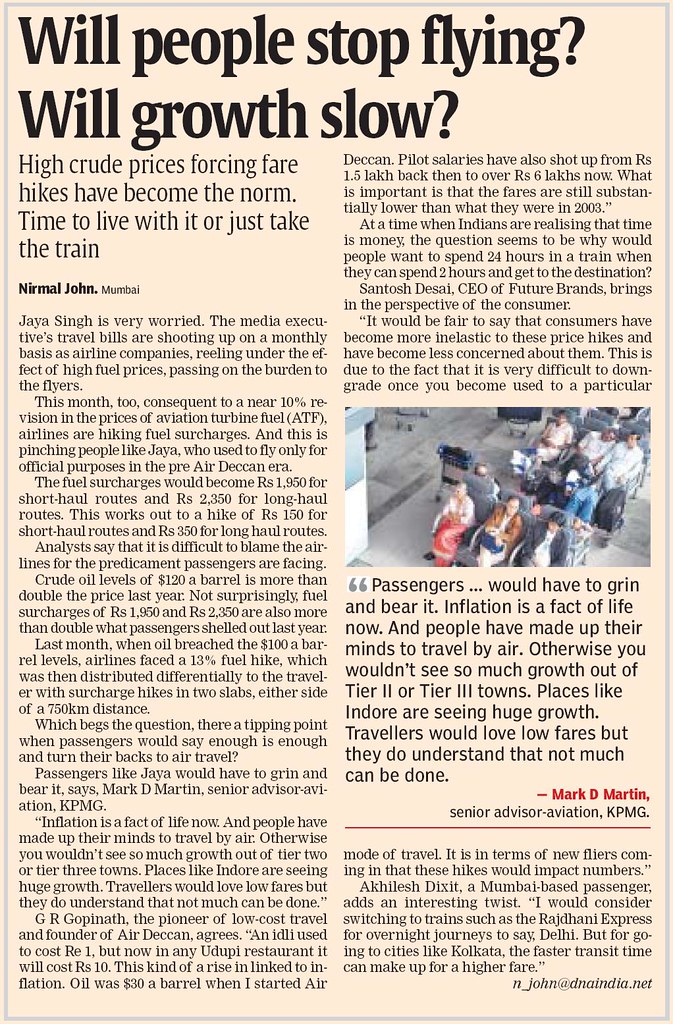
oil prices analysis shows how current events are causing fluctuations in the market. As turmoil in the Middle East continues, investors are left weighing the consequences on global demand and pricing.
Understanding Current Oil Prices
The current landscape of oil prices is significantly influenced by a multitude of factors, particularly the ongoing turmoil in the Middle East. As tensions rise, market participants are reacting with heightened sensitivity, leading to unpredictable fluctuations in oil prices. This situation has created a challenging environment for analysts attempting to provide a comprehensive oil prices analysis.
One key aspect driving these price changes is the balance between supply and demand. Recent reports indicate that while supply disruptions are a concern due to geopolitical events, the demand outlook remains uncertain. This duality creates a volatile market where prices can swing dramatically in response to news events. Investors and traders are closely monitoring the situation, attempting to gauge how long these disruptions may last and what impact they will have on global supply.
- Geopolitical Factors: The ongoing conflicts in oil-producing regions are causing supply worries.
- Demand Uncertainty: Economic indicators suggest that demand may not stabilize in the near term.
- Market Sentiment: Traders are reacting quickly to news, contributing to price volatility.
Overall, understanding the current oil prices requires careful consideration of both external political dynamics and internal market conditions. As analysts work to navigate this complex environment, the implications of these factors will continue to shape the global oil market.
Factors Influencing Market Fluctuations
Several factors play a crucial role in influencing oil prices and lead to significant market fluctuations. Analyzing these elements helps to understand the current oil prices analysis and their implications for the global economy.
- Geopolitical Tensions: Ongoing conflicts in oil-rich regions, particularly in the Middle East, create uncertainty in supply. Such turmoil can lead to rapid price increases as traders react to potential disruptions.
- Supply and Demand Dynamics: The balance between oil supply and global demand is a fundamental driver of prices. An increase in production by major oil-exporting countries can lead to lower prices, while a rise in demand from emerging markets can have the opposite effect.
- Economic Indicators: Macroeconomic data, including GDP growth, employment rates, and manufacturing output, can impact oil demand forecasts. Positive economic indicators often boost demand, while negative data can lead to price declines.
- Market Speculation: Traders’ perceptions and predictions about future market conditions can cause short-term volatility. Speculative trading based on news or trends can lead to rapid price swings.
- Technological Advancements: Innovations in extraction and production techniques can influence supply levels. For instance, advancements in shale oil extraction have dramatically increased the United States’ oil production capacity.
Understanding these factors is essential for anyone looking to navigate the complexities of oil prices and their market reactions.
Middle East Turmoil and Its Impact
The ongoing turmoil in the Middle East has introduced significant volatility in oil prices, leading to a complex environment for traders and investors. As geopolitical tensions escalate, the immediate reaction in global markets has been pronounced, with many analysts conducting oil prices analysis to gauge the potential long-term impacts.
Several key factors contribute to the fluctuations:
- Supply Concerns: Disruptions in oil supply due to conflicts or sanctions can lead to immediate price hikes. When production facilities are threatened, the fear of reduced supply often drives prices upward.
- Market Sentiment: Investor sentiment plays a crucial role. Heightened fears can trigger panic buying, pushing prices even higher, while a sudden shift in perception can lead to rapid sell-offs.
- Global Demand Uncertainty: Alongside supply issues, uncertainty regarding global demand exacerbates volatility. Economic indicators from major consumers can influence price trends, leading to unpredictable market reactions.
- Alternative Energy Factors: As countries push for green energy, the dynamics of oil demand are shifting. This transition impacts long-term oil prices, complicating current analysis.
In conclusion, the interplay between Middle East turmoil and these various factors creates a challenging landscape for oil prices analysis, as market participants navigate a sea of unpredictability.
Future Outlook for Oil Prices
The future outlook for oil prices remains uncertain as various factors continue to exert pressure on the market. Analysts are divided on how geopolitical tensions, particularly in the Middle East, will play out and influence global supply chains. While some experts predict a potential rebound in prices, others caution that ongoing uncertainties may lead to increased volatility.
Key considerations for the future include:
- Geopolitical Stability: The resolution of conflicts in oil-producing regions could stabilize prices, but any escalation may lead to sharp increases.
- Demand Recovery: As economies recover from the pandemic, the demand for oil is expected to rise. However, the pace of this recovery is still in question.
- Transition to Renewable Energy: With many countries committing to greener energy solutions, the long-term demand for oil may be impacted, affecting prices.
- Market Speculation: Traders often react to news and events surrounding oil prices, leading to significant short-term fluctuations.
Overall, the analysis of oil prices suggests that while there may be opportunities for growth, the market is likely to experience continued turbulence. Stakeholders must remain vigilant and adaptable to navigate the complexities of oil prices in the coming months.
In our oil prices analysis, we will explore the key factors that contributed to the recent market volatility. Understanding these elements is crucial for investors looking to navigate the complexities of oil prices analysis effectively.
By Mark D. Martin India via Openverse
References
Related stories
Netflix earnings report: The Best Proven Model for Growth · Freelander Australian launch: Best Proven Strategy for 2027 · Yezdi motorcycles available: Best Deals on Flipkart & Amazon