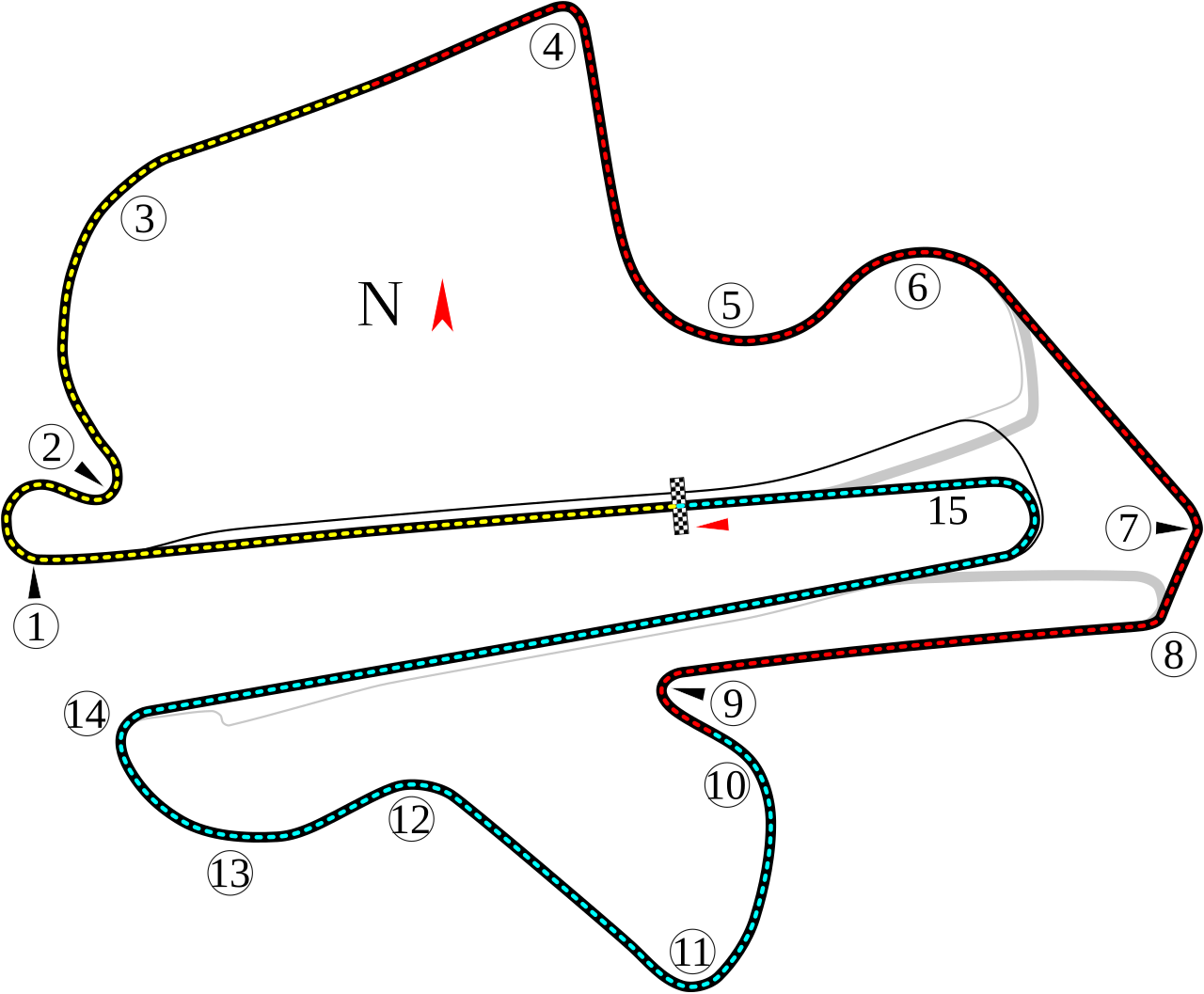
Bahrain GP chaos has led to an FIA investigation following a tumultuous race affected by rain. The unexpected stop-start conditions raised concerns among fans and officials alike.
FIA Investigation Details
The recent Bahrain GP chaos during the rain delay has prompted the FIA to launch a comprehensive investigation. This unexpected turn of events raised numerous questions about the safety protocols and decision-making processes employed during adverse weather conditions.
The FIA’s investigation will focus on several key aspects:
- Communication Protocols: Assessing how information about the weather conditions was relayed to teams and drivers.
- Safety Measures: Evaluating the adequacy of the safety measures in place for handling rain delays and how they were implemented.
- Race Control Decisions: Scrutinizing the decisions made by race control regarding the timing of the start and restart of the race.
- Driver Experiences: Gathering feedback from drivers about their experiences during the rain delay and how it impacted their performance.
This investigation aims to ensure that future events do not experience similar chaotic disruptions. The FIA is committed to enhancing the safety and integrity of the sport, particularly in challenging weather conditions, to prevent another instance of Bahrain GP chaos from occurring.
Impact of Weather on Racing
The Bahrain GP chaos brought to light the significant impact of weather on racing dynamics. As heavy rain set in, the race officials faced unprecedented challenges, leading to a series of delays and restarts that frustrated both teams and fans alike.
Drivers struggled to maintain visibility and grip on the wet track, raising concerns over safety. The unpredictable conditions not only affected racing performance but also heightened the tension among teams, each grappling with how to adapt their strategies swiftly.
Key factors influencing the chaos included:
- Track Conditions: Water accumulation made the track slippery, increasing the risk of aquaplaning.
- Visibility Issues: Spray from other cars severely limited visibility for drivers, complicating overtaking maneuvers.
- Timing Decisions: The frequent pauses led to confusion about when to switch from wet to dry tires.
As the FIA launches an investigation into the events, the implications of the Bahrain GP chaos will likely lead to a reevaluation of protocols regarding weather delays in future races.
Drivers’ Reactions to Chaos
In the aftermath of the Bahrain GP chaos, drivers took to social media and interviews to express their frustrations and concerns about the race’s handling. Many were vocal about the unpredictable weather conditions that led to the lengthy delays.
Lewis Hamilton stated, “It was a challenging situation for everyone involved. We are all here to race, and the rain made it difficult to find a rhythm.” His sentiments were echoed by several others who felt the chaotic nature of the event impacted their performance.
Max Verstappen added, “The stop-start format confused the teams and left us in limbo. It’s tough to stay focused when you’re waiting for hours.”
Meanwhile, Charles Leclerc expressed concern over safety, noting, “We need to ensure that when we do race, it’s under the right conditions. The Bahrain GP chaos reminded us of the risks we face.”
As the FIA investigates the events that unfolded, drivers hope for clearer protocols in future races to prevent such disruptions and ensure a fair competition.
Overall, the reactions highlight the need for improvement in race management during adverse weather conditions.
Historical Context of Rain Delays
Rain delays have a long history in motorsport, often leading to unpredictable outcomes and heightened tension among teams and drivers. The Bahrain GP chaos this year was not the first instance of weather disrupting a race, but it highlighted the challenges faced by organizers and participants alike.
Historically, rain has the potential to alter track conditions dramatically, turning a well-planned race strategy into disarray. Rain delays can evoke mixed feelings among fans and drivers, with some appreciating the added excitement while others lament the interruptions. Key examples in the past include:
- 2007 European GP: A race marred by wet weather led to significant delays and controversy over tire choices.
- 2011 Canadian GP: A prolonged rain delay resulted in a record-breaking race duration, showcasing both the challenges and thrills of racing in wet conditions.
- 2020 Belgian GP: A rain-affected event led to a shortened race, emphasizing the difficulties in managing weather impacts.
The FIA’s recent investigation into the Bahrain GP chaos aims to address these issues and enhance protocols for future events, ensuring both safety and competitive integrity in the face of challenging weather conditions.
Fan Opinions on Race Management
The recent Bahrain GP chaos has sparked a wave of opinions among fans regarding race management during extreme weather conditions. Many spectators took to social media to express their frustration and confusion about the decisions made by race officials.
- Communication Issues: Fans highlighted the lack of clear communication from the FIA regarding race status updates. One viewer noted, “It felt like we were left in the dark for too long. Regular updates are essential during such chaotic weather.”
- Safety Concerns: Others emphasized the importance of safety, suggesting that the race should have been called off earlier. A fan tweeted, “Safety should always come first. It’s better to delay the race than risk drivers’ lives in such conditions.”
- Comparisons to Other Races: Some fans compared the Bahrain GP chaos to past races, arguing that better protocols should have been in place. One comment read, “We’ve seen how other circuits handle rain delays effectively. Why not learn from them?”
As discussions continue, it remains clear that many fans are eager for changes in the way race management addresses similar situations in the future.
Future Implications for F1
The recent Bahrain GP chaos has raised significant concerns about the future of Formula 1 race management, particularly in adverse weather conditions. The FIA’s investigation into the rain delay not only aims to address the specific issues encountered during the race but also seeks to establish a framework for better handling similar situations in the future.
As the sport evolves, the lessons learned from the Bahrain GP chaos could lead to changes in regulations regarding race interruptions. This may include clearer guidelines on when to start or stop a race, as well as improved communication protocols between race control and teams.
Moreover, the unpredictable nature of weather highlights the need for teams to adapt their strategies swiftly. In light of this, the FIA might explore enhancing the technical capabilities of teams to react to changing conditions more effectively.
Ultimately, the implications of the Bahrain GP chaos could extend beyond immediate race management. If implemented successfully, these changes could improve safety and the overall spectator experience, reinforcing Formula 1’s commitment to innovation and excellence.
Summary of the Bahrain GP Events
The Bahrain GP chaos unfolded as a series of unexpected events disrupted the race schedule, leading to significant delays and confusion among teams and fans alike. Initially, the race was set to commence under promising conditions, but an unforeseen rainstorm rolled in, forcing the FIA to make quick decisions regarding safety protocols.
As the rain intensified, teams struggled to adapt their strategies, and drivers were left in a state of uncertainty. Key moments during the event included:
- The initial delay caused by heavy rainfall, which led to the race start being postponed.
- Multiple safety car deployments as conditions worsened, further complicating the teams’ race strategies.
- Communication breakdowns between race officials and teams, resulting in mixed messages about the race’s status.
Fans expressed frustration over the handling of the situation, with many calling for better contingency plans for adverse weather conditions. The FIA’s investigation into the Bahrain GP chaos aims to address these issues and ensure smoother operations in future races. As the motorsport community reflects on the day’s events, the implications for race management and safety standards are becoming increasingly clear.
via Wikimedia Commons