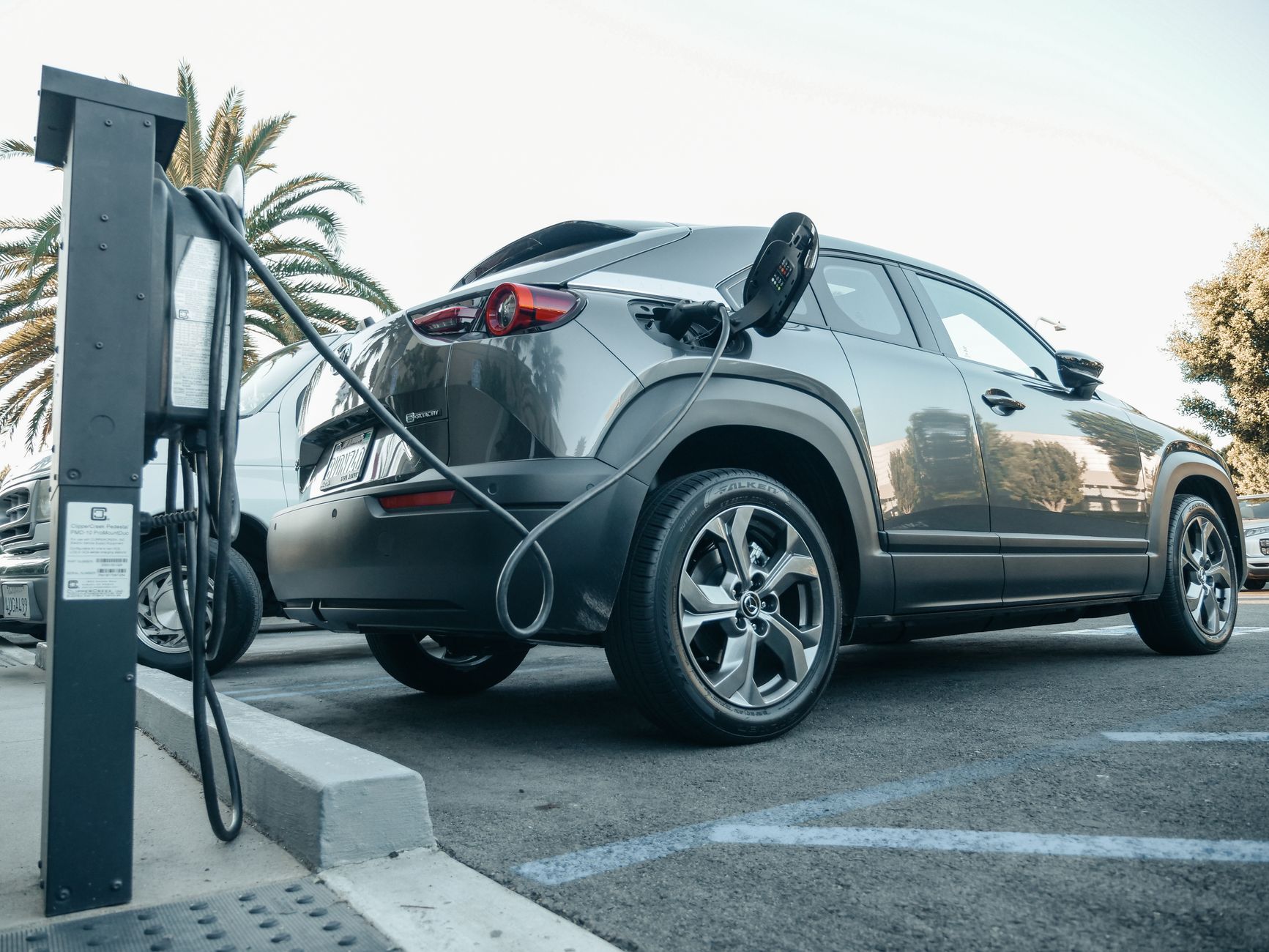
EV charging smart grids are becoming essential for managing power distribution as electric vehicle adoption increases. This technology plays a vital role in enhancing efficiency and sustainability.
Introduction to EV Charging Smart Grids
The rise of electric vehicles (EVs) has prompted a shift towards innovative solutions in power management, particularly through the development of EV charging smart grids. These advanced systems integrate renewable energy sources and sophisticated technology to optimize charging efficiency and grid stability.
Smart grids leverage real-time data to manage electricity flow, ensuring that EVs are charged when energy demand is low and supply is high. This not only enhances the user experience but also contributes to a more sustainable energy ecosystem.
Key benefits of EV charging smart grids include:
- Reduced energy costs: By optimizing charging times, users can take advantage of lower electricity rates.
- Enhanced grid reliability: Smart grids help balance load and prevent outages.
- Support for renewable energies: They enable the integration of solar and wind energy into the charging process.
The Importance of Power Management
Effective power management is crucial for the success of EV charging smart grids. As electric vehicle adoption accelerates, the demand for efficient energy distribution becomes increasingly vital.
Power management in these grids ensures that energy supply meets the fluctuating demand from EV chargers while maintaining grid stability. This dynamic balancing acts to:
- Minimize energy waste: Optimizing energy consumption helps reduce excess load on the grid.
- Enhance reliability: Smart grids can adapt to real-time conditions, ensuring uninterrupted charging for users.
- Support renewable energy integration: Efficient power management allows for the seamless incorporation of renewable sources into the grid, reducing carbon footprints.
Ultimately, robust power management is essential for maximizing the potential of EV charging smart grids, fostering sustainable energy solutions for the future.
How Smart Grids Enhance EV Charging
Smart grids play a crucial role in enhancing EV charging infrastructure by optimizing power distribution and improving efficiency. With the integration of advanced technologies, these grids enable real-time monitoring and management of electricity flow, ensuring that EVs are charged during off-peak hours when demand is low.
This not only reduces costs for consumers but also alleviates strain on the electrical grid. Furthermore, smart grids facilitate the use of renewable energy sources, allowing EV owners to charge their vehicles with cleaner power.
Additionally, the implementation of EV charging smart grids supports demand response programs, which adjust charging rates based on grid conditions. This dynamic approach ensures a balanced energy supply, enhances grid reliability, and promotes sustainable practices among EV users.
In summary, smart grids significantly enhance the efficiency and sustainability of EV charging systems, paving the way for a greener future.
Challenges in Implementing Smart Grids
Despite the numerous benefits of EV charging smart grids, several challenges hinder their implementation. Understanding these obstacles is crucial for stakeholders aiming to enhance power management effectively.
- Infrastructure Costs: The initial investment required for upgrading existing grids can be substantial, deterring many municipalities and private companies.
- Technological Integration: Integrating advanced technology into legacy systems poses technical challenges, requiring skilled personnel and time.
- Regulatory Hurdles: Navigating the complex landscape of regulations across different regions can slow down the adoption of smart grid technologies.
- Data Security: With increased connectivity comes heightened concerns regarding data privacy and cybersecurity, necessitating robust protection measures.
Addressing these challenges is essential for harnessing the full potential of EV charging smart grids in the future.
Future Trends in EV Charging Technology
The future of EV charging technology is poised for significant advancements, particularly with the integration of EV charging smart grids. These systems are expected to become increasingly sophisticated, utilizing artificial intelligence to optimize energy distribution and enhance user experience.
Key trends shaping this future include:
- Vehicle-to-Grid (V2G) Technology: This allows EVs to return electricity to the grid, providing additional resources during peak demand.
- Decentralized Charging Stations: The rise of solar-powered charging points will reduce reliance on traditional energy sources.
- Enhanced User Interfaces: Making it easier for consumers to locate available chargers and monitor energy usage will drive adoption.
As these innovations unfold, the synergy between EV charging and smart grids will play a crucial role in creating a sustainable energy ecosystem.
Case Studies of Successful Implementations
Numerous case studies illustrate the successful implementation of EV charging smart grids across various regions. One notable example is in California, where the integration of smart grids has significantly improved charging efficiency and reduced peak demand. This initiative allowed electric vehicle (EV) owners to charge their vehicles during off-peak hours, taking advantage of lower energy costs.
In Europe, cities like Amsterdam have adopted smart grid technology to facilitate the growth of EV charging stations. By utilizing real-time data, these smart grids optimize energy distribution, enabling a seamless experience for users while minimizing strain on the local power grid.
Additionally, a pilot project in Japan demonstrated how smart grids can dynamically adjust charging rates based on energy availability, enhancing the sustainability of EV charging infrastructure. These examples showcase the potential of EV charging smart grids to revolutionize power management in the electric vehicle sector.
Where this came from
BYD Seal 07: The Best New Electric Sedan with Proven Features · BMW F 450 R: The Best New Bike with Proven Performance · Honda Elevate bookings: Best way to secure your new car